Yoga Straps for Seniors — Improve Flexibility and Reach Safely
The best yoga straps for seniors to improve flexibility and reach safely in 2026. Gentle stretching exercises and recommended straps for older practitioners.
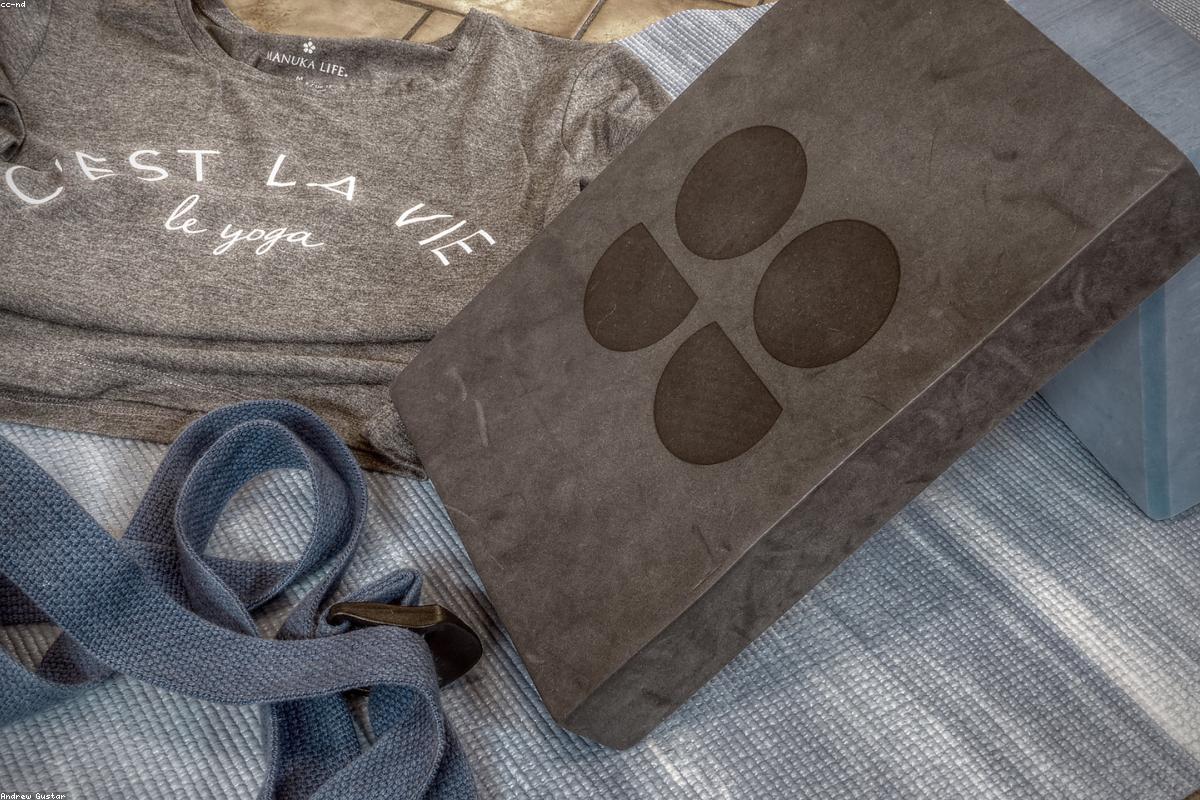
I Thought I Was Too Stiff for Yoga. Then I Found the Strap.
I was that person. You know the one. The guy who showed up to his first yoga class thinking he could touch his toes. I could not. I bent over, grunted, and my fingertips hovered a solid six inches above the floor. The teacher said “breathe into it.” I breathed. Nothing happened. I was 47 years old, and my hamstrings had apparently been replaced with steel cables during my twenties.
That was a year and a half ago. Since then I have bought three yoga straps, returned two, and learned more about my own inflexibility than I ever wanted to know. This article is for the seniors out there who think they are “too old” or “too stiff” to start yoga. You are not. You just need the right tool.
I am writing this because I wish someone had told me these things when I started. Not from some guru on a mountaintop. From a guy who nearly fell over trying to put on his socks.
The Problem: You Cannot Reach What You Cannot Reach
Here is the brutal truth about aging and flexibility. It leaves. Slowly at first, then all at once. I remember being able to tie my shoes without sitting down. That was a long time ago. Now I have to sit, lean forward, and sometimes I still grunt.
The issue is not that you are weak. The issue is that your muscles have shortened over decades of sitting in chairs, driving cars, and sleeping in the same position. They have adapted to a smaller range of motion. When you try to stretch them, they fight back. That is what a “stretch reflex” is. Your body thinks you are about to tear something, so it contracts instead of relaxing.
This is where the yoga strap comes in. It is a simple piece of cotton or nylon, usually six to eight feet long, with a buckle on one end. That is it. No motors. No electronics. No subscription fee. Just fabric and a buckle.
But that simple tool changes everything.
What I Thought vs. What I Learned
Before I started using a strap, I thought they were for advanced yogis doing contortionist poses. I was wrong. I thought they were a crutch. I was wrong about that too.
My first attempt: I bought the cheapest strap on Amazon. It was nylon, thin, and the buckle slipped every time I put weight on it. I tried to use it for a seated forward fold. I looped it around my feet, pulled, and the buckle let go. The strap flew across the room and hit my cat. My cat was not impressed.
What I learned: The material matters. Cotton straps grip better. Nylon straps slide. For seniors who might have reduced grip strength, a cotton strap with a sturdy metal buckle is not a luxury. It is a safety requirement.
My second attempt: I bought a cotton strap with a D-ring buckle. This one worked. I could actually hold a pose without the strap slipping. But I made another mistake. I pulled too hard. I thought “more stretch equals faster progress.” That is not how it works. I pulled my hamstring. It hurt for a week.
What I learned: The strap is not for forcing. It is for bridging the gap. If you cannot reach your foot, the strap extends your arm. That is all. You do not need to pull yourself into a pretzel. You need to hold a gentle stretch for thirty seconds and let your muscles slowly say “okay, fine, we can relax a little.”
Cotton vs. Nylon: The Real Comparison
Let me break this down based on actual use, not marketing copy.
Cotton Straps These are my recommendation for seniors. Here is why. Cotton has friction. When you loop it around your foot and pull, it stays put. The buckle does not slide. The fabric does not dig into your skin the way nylon can. Cotton straps also soften over time. They become more comfortable.
The downside? They are harder to clean. Sweat soaks in. If you practice daily, your strap will start to smell after a few months. You can wash it in a pillowcase on gentle cycle. I learned this after my strap started smelling like a gym bag from 1998.
Nylon Straps Nylon is stronger. It does not absorb moisture. It dries instantly. For some poses, like binding in shoulder stretches, nylon can be easier because it slides through the buckle smoothly.
The problem for seniors? Nylon is slippery. If your hands are sweaty, or if you have arthritis and reduced grip strength, the strap can slip through your fingers. I have dropped a nylon strap mid-pose more times than I can count. Dropping a strap while in a standing balance pose is not fun. You grab for it, lose your balance, and suddenly you are hopping on one foot like a flamingo having a seizure.
The Verdict on Material: For seniors, cotton wins. The grip is worth the extra maintenance. If you have very sensitive skin, look for organic cotton straps. They are softer and less likely to cause irritation.
The Buckle Matters More Than You Think
Here is something I did not know when I started. There are different buckle types. This is not exciting. But it matters.
D-ring buckles are the most common. They work well. You thread the strap through, pull, and it locks. The problem is that some D-rings are too small. If the ring is narrow, the strap bunches up and does not slide smoothly. Look for a D-ring that is at least two inches wide.
Cam buckles are different. They have a lever that pinches the strap. These are great for people with arthritis because you do not need to thread the strap through a loop. You just pull it tight and the lever holds it. Releasing is easy too. You flip the lever and the strap loosens.
Slide buckles are the cheapest and the worst. They are just a rectangle of metal with a bar in the middle. The strap goes over the bar and under. These slip. They slip a lot. Do not buy a strap with a slide buckle. I bought one. I used it once. It is now in a drawer somewhere, probably plotting its escape.
Specific Scenarios Where a Strap Saved Me
I want to give you real examples. Not theoretical “you can improve your flexibility” nonsense. Actual situations where a strap made the difference between a good practice and a frustrated one.
Scenario 1: The Seated Forward Fold (Paschimottanasana)
Sitting on the floor, legs straight out, reaching for my feet. My hands stopped about four inches short. I used to just sit there, frustrated, feeling like a failure. With the strap, I loop it around my feet, hold the strap with both hands, and gently pull. My back stays straight. My hamstrings feel a gentle pull. Not a painful one. I hold for thirty seconds. Over time, those four inches became three, then two, then one. I still cannot grab my feet without the strap. But I am closer. And I do not feel like a failure anymore.
Scenario 2: The Reclining Hand-to-Big-Toe Pose (Supta Padangusthasana)
Lying on my back, trying to lift one leg and hold the big toe. This was impossible. My leg would go up maybe 45 degrees before my hamstring screamed. With the strap, I loop it around my foot, hold the strap with both hands, and gently pull my leg toward my head. The leg goes up 90 degrees easily. I hold. My hamstring relaxes. Over weeks, I needed less and less pull on the strap. This is not magic. This is basic physics and patience.
Scenario 3: Shoulder Stretches for the Desk-Bound
I have spent twenty years hunched over a keyboard. My shoulders are round. My chest is tight. Trying to clasp my hands behind my back? Forget it. My hands do not even get close. With a strap, I hold it in both hands behind my back, then walk my hands closer together. The strap bridges the gap. I can feel my chest open. My posture improves. This is not yoga for Instagram. This is yoga for people who want to stop looking like a question mark.
The Pros and Cons of Yoga Straps for Seniors
Let me be honest about what a strap can and cannot do.
The Pros
First, safety. This is the biggest one. A strap prevents you from overstretching. When you use your hands to pull, you have feedback. You feel when it is too much. If you just flop into a stretch without a strap, gravity does the pulling. Gravity does not care about your limits.
Second, accessibility. Poses that were impossible become possible. You do not need to be flexible to start. You need to be willing to use a tool. The strap is that tool.
Third, progression tracking. I know I am making progress because I need less strap. I can grab my foot with two fingers instead of the whole strap. That feels good. It is measurable.
Fourth, cost. A good yoga strap costs between eight and fifteen dollars. That is cheaper than one session with a physical therapist. It is cheaper than a chiropractor copay. It is a ridiculous bargain for what it does.
The Cons
First, learning curve. It takes a few sessions to get used to threading the strap, holding it properly, and adjusting the length. You will fumble. You will drop it. That is normal.
Second, dependency risk. Some people use the strap as a crutch and never try to reduce their reliance on it. They pull the same amount every time and never progress. You need to consciously try to use less strap over time.
Third, quality variance. Cheap straps are bad. Bad straps slip. Slipping straps cause frustration. Frustration makes you quit. Spend the extra three dollars for a decent strap.
Fourth, storage. A six-foot strap takes up space. If you travel, you have to pack it. This is a minor complaint, but it is real.
Who Should Buy a Yoga Strap
If you are a senior who has never done yoga, buy a strap. Buy it before you buy a mat. Buy it before you buy blocks. The strap is the single most important tool for a beginner who cannot touch their toes.
If you have arthritis in your hands, buy a strap with a wide cotton weave and a cam buckle. The wider fabric distributes pressure across your palm. The cam buckle means you do not need to grip hard.
If you have had hip or knee replacement surgery, buy a strap and use it for gentle, lying-down stretches. Do not attempt standing poses without your doctor’s approval. The strap allows you to stretch without putting weight on the joint.
If you are a caregiver for an elderly parent, buy a strap for them. Show them how to use it. Do not force them. Just leave it near their yoga mat or chair. They might try it. They might not. But the option is there.
If you are a yoga teacher working with seniors, buy a class set of straps. Cotton straps with D-rings. Have them available at every class. Do not assume your students will bring their own. They will forget. They will be embarrassed to ask. Just have them there.
What I Wish Someone Had Told Me
I have been doing this for eighteen months. I am not flexible. I am not a yogi. I am a guy who can now touch his toes on a good day. That is progress.
Here is what I wish I had known from day one.
Start with the strap in a seated position. Lie on your back. Do not try standing stretches first. You will wobble. You will fall. I fell. It hurt.
Hold each stretch for at least thirty seconds. Do not bounce. Bouncing triggers the stretch reflex and makes your muscles tighten. Slow and steady. Breathe. Count to thirty in your head.
Do not compare yourself to the person next to you. They might have been doing yoga for ten years. You have been doing it for ten days. Your only competition is the person you were yesterday.
If you want to learn more about the different types of straps and how to choose one, I wrote a detailed yoga straps guide that covers the technical specs. If you are wondering whether you need blocks as well, I have a yoga blocks guide that explains how blocks and straps work together. And if you want my direct recommendation for the strap that worked best for me, check out the best yoga strap for flexibility article.
Related Guides
The Strap Changed My Relationship with My Body
I used to hate my body for what it could not do. I would look at pictures of people in full splits and feel like a failure. The strap taught me something different. It taught me that progress is not about forcing. It is about showing up, using the tools available, and being patient.
I still cannot do a full split. I probably never will. But I can sit on the floor and play with my grandkids without groaning when I stand up. I can tie my shoes without holding my breath. I can reach for something on a high shelf without my shoulder complaining for the rest of the day.
That is not a small thing. That is everything.
The strap did not do that alone. But it started it. It was the first step. And for a senior who thinks they are too stiff, too old, or too far gone, that first step is the hardest one.
Take it.
Every mat we recommend has been personally tested by our team. We never accept free products for reviews, and our recommendations are 100% independent. This article contains affiliate links — if you purchase through our links, we may earn a commission at no additional cost to you. Learn more.