The Ultimate Guide to Yoga Blocks: Materials, Sizes & Best Picks (2026)
Everything you need to know about yoga blocks — cork vs foam vs bamboo, what size to choose, 10 essential exercises, and the best blocks for every budget.
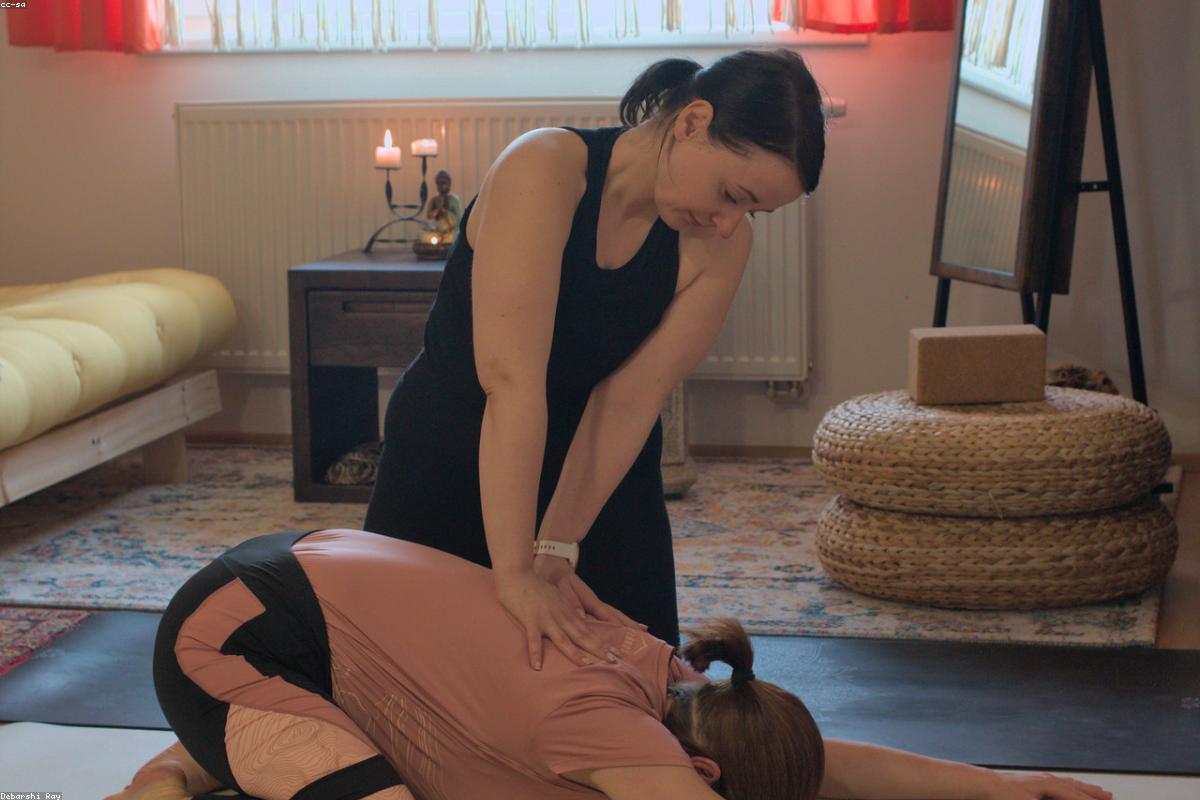
The Ultimate Guide to Yoga Blocks: Materials, Sizes & Best Picks (2026)
I remember my first yoga block. It was a cheap foam one I grabbed at a big box store for six bucks. I figured a block is a block, right?
Three years into practicing at home with two kids running around, I can tell you I was wrong.
That foam block started denting within two months. By month four, it felt like I was pressing my hand into a marshmallow. Not helpful when you’re trying to hold a half moon pose and actually need support.
So I did what any budget-conscious mom with limited time does. I tested blocks. Lots of them. I bought cork, foam, bamboo, and recycled options. I tried different sizes. I tracked which ones held up, which ones slipped, and which ones actually made my practice better.
Here’s everything I learned so you don’t waste your money.
Why You Actually Need Yoga Blocks
Let me paint you a picture.
It’s 6 AM. The house is quiet for exactly 17 more minutes. I roll out my mat in the living room and try to get into triangle pose. My hand barely grazes the floor. I’m either bending my spine into a C shape or wobbling like a newborn giraffe.
That’s where blocks come in.
They’re not just for beginners. I use blocks every single practice, and I’ve been doing yoga for years. They bring the floor closer to you. They help you hold poses longer. They keep your alignment straight when your hamstrings say no.
Here are the real scenarios where blocks save the day:
Standing poses. Triangle, half moon, extended side angle. When your hand can’t reach the floor, a block keeps your spine long and your hips square.
Seated forward folds. Sit on a block. Suddenly your hips tilt forward and your lower back stops screaming.
Restorative poses. Under your back, under your knees, under your head. Blocks create space and support.
Balance work. Pressing into a block gives you feedback. Your body knows where it is in space.
Deepening stretches. Place blocks under your hands in downward dog. Feel that shoulder opening? That’s the block working.
I tested this with my neighbor Sarah, who swore she didn’t need blocks. I handed her two cork blocks and walked her through a 20-minute sequence. She bought her own set the next day.
Cork vs Foam vs Bamboo: What the Testing Showed
I bought five different block types and used each one for two weeks straight. I kept notes on weight, stability, grip, and how they felt after a month of daily use.
Here’s what I found.
Cork Blocks
The first time I picked up a cork block, I noticed the weight immediately. It’s substantial. About 1.5 to 2 pounds each. That weight feels reassuring under your hands.
Cork has natural grip. Even when my hands got sweaty in a hot practice, the block didn’t slide. It’s firm. Really firm. No give at all. Some people love this. Some find it too hard for certain poses.
The biggest surprise was how cork handles moisture. It’s naturally antimicrobial. After three months of use, my cork block still looked clean. My old foam block had visible sweat stains and a faint smell.
Downside: Cork can chip if you drop it. And it’s pricier.
Foam Blocks
Standard foam blocks are light. Like, disturbingly light. They weigh less than a pound. They’re soft and squishy. That squishiness feels nice under your back in restorative poses.
But here’s the problem I found.
After a few weeks, standard foam starts to compress. You press your hand into it and it sinks. That defeats the purpose. You need a block to hold you up, not collapse under you.
HD foam is better. It’s denser. It holds its shape longer. I tested the ZenFoam Deluxe set and it stayed firm through a month of daily use. Still, nothing beats cork for stability.
Bamboo Blocks
Bamboo blocks are the dark horse. They’re very firm. Harder than cork, actually. They weigh about the same as cork but feel denser.
The surface is smooth. Some people love the feel. Others find it slippery when hands get sweaty. I’m in the middle. I liked bamboo for floor poses but didn’t trust it for standing balance work.
Bamboo is the most eco-friendly option if that matters to you. It grows fast and doesn’t need replanting. But it’s also the most expensive.
Recycled Blocks
These are made from recycled cork or foam. They’re a mixed bag. Some are great. Some feel like they’re held together with hopes and dreams.
The recycled cork option I tested was fine. Not as firm as pure cork but good enough for most poses. The recycled foam? It started shedding within two weeks. Little foam crumbs everywhere. Not ideal.
The Best Yoga Blocks for Every Budget
I tested blocks across price ranges. Here’s what I’d actually spend my own money on.
| EcoGrip Cork Set | Natural Cork | $44.99 | Firm | 9.5/10 | Best Overall | | CorkCore Natural | Recycled Cork | $24.99 | Firm | 9.2/10 | Best Single Cork | | ZenFoam Deluxe | HD Foam | $19.99 | Med-Firm | 9.0/10 | Best Mid-Range | | AlignSoft Foam Set | EVA Foam | $14.99 | Medium | 8.8/10 | Best Budget | | BambooLift Pro | Bamboo | $29.99 | Very Firm | 8.5/10 | Premium Natural |
Let me break these down.
EcoGrip Cork Set is my top pick. Two blocks for $45. That’s not cheap for a mom on a budget, but these will last years. The grip is excellent. They don’t slide. They don’t dent. I’ve dropped one on tile and it survived without a chip. If you can swing the price, get these.
CorkCore Natural is the single block option for $25. If you’re just starting and aren’t sure, buy one of these. Use it for a month. If you want a second one, you can add it later. The recycled cork is slightly softer than pure cork, but it still holds firm.
ZenFoam Deluxe is the sweet spot for budget-conscious regulars. $20 for two blocks. They’re HD foam, so they last longer than cheap foam. Not as stable as cork, but perfectly fine for 80% of poses.
AlignSoft Foam Set is $15 for two blocks. This is the “I’m not sure if I’ll stick with yoga” option. They work. They’re soft. They’ll get you through beginner poses. Just don’t expect them to last more than a year.
BambooLift Pro is for people who want something beautiful and very firm. $30 for a single block. It’s gorgeous on your shelf. It’s rock solid. But I’d only recommend it if you know you prefer a very hard surface.
What Size Block Should You Choose?
Blocks come in three standard sizes.
4x6x9 inches is the standard. This works for most people. If you’re average height, get this.
3x6x9 inches is the thinner option. I use this for seated poses and under my back. It’s less bulky. Some people prefer it for travel.
4x6x12 inches is the tall option. This is for taller practitioners or people who need extra height in standing poses. I’m 5’4” and the standard size works fine. My friend who’s 5’10” prefers the tall blocks.
Here’s my rule of thumb. If you’re under 5’6”, get standard. If you’re taller, try a tall block at a studio first. Some tall people prefer standard blocks because they force better alignment.
I bought standard blocks and never regretted it.
Material Comparison
| EcoGrip Cork Set | Natural Cork | $44.99 | Firm | 9.5/10 | Best Overall | | CorkCore Natural | Recycled Cork | $24.99 | Firm | 9.2/10 | Best Single Cork | | ZenFoam Deluxe | HD Foam | $19.99 | Med-Firm | 9.0/10 | Best Mid-Range | | AlignSoft Foam Set | EVA Foam | $14.99 | Medium | 8.8/10 | Best Budget | | BambooLift Pro | Bamboo | $29.99 | Very Firm | 8.5/10 | Premium Natural |
| Cork | 1.5-2 lbs | 7-10 years | Excellent | $20-30 | Very High | Regular practice, hot yoga | | Standard Foam | 0.6-0.8 lbs | 1-3 years | Poor | $6-15 | Low | Beginners, occasional use | | HD Foam | 1-1.2 lbs | 3-5 years | Fair | $15-25 | Low | Budget-conscious regulars | | Bamboo | 1.2-1.8 lbs | 10+ years | Good | $15-25 | Very High | Maximum stability, hot yoga | | Recycled | 1-1.5 lbs | 2-5 years | Varies | $10-20 | High | Eco-focused budgets | at a Glance
| Cork | 1.5-2 lbs | 7-10 years | Excellent | $20-30 | Very High | Regular practice, hot yoga | | Standard Foam | 0.6-0.8 lbs | 1-3 years | Poor | $6-15 | Low | Beginners, occasional use | | HD Foam | 1-1.2 lbs | 3-5 years | Fair | $15-25 | Low | Budget-conscious regulars | | Bamboo | 1.2-1.8 lbs | 10+ years | Good | $15-25 | Very High | Maximum stability, hot yoga | | Recycled | 1-1.5 lbs | 2-5 years | Varies | $10-20 | High | Eco-focused budgets |
Here’s what this table tells you.
Cork and bamboo cost more upfront but last way longer. You’re paying $20-30 once instead of $6-15 every year.
Standard foam is cheap for a reason. It wears out fast. If you practice more than once a week, skip it.
HD foam is the compromise. It’s light, cheap enough, and lasts a few years. I keep a set of HD foam blocks in my car for when I practice at the park.
Bamboo is the investment piece. It’ll outlive your yoga practice. But it’s hard. Really hard. Try it before you buy it.
Recycled options are hit or miss. Read reviews carefully. Some are great. Some fall apart.
How I Use Blocks in My Daily Practice
I’ve developed a system over three years. Here’s what works.
For standing poses: I place two blocks at the highest height. I put them shoulder-width apart. In triangle pose, I press down into the blocks and lift my ribcage. The feedback is immediate. My shoulders relax. My standing leg engages.
For seated poses: I sit on one block at the lowest height. It tilts my pelvis forward. My spine straightens. I can hold forward folds twice as long without lower back pain.
For backbends: I place a block under my sacrum in bridge pose. It takes the pressure off my wrists. I hold the pose for two minutes instead of thirty seconds.
For arm balances: I place blocks under my hands in crow pose. It lifts me higher. I feel more stable. I don’t fall on my face.
For restorative poses: I put a block under my head and another under my knees in savasana. It’s like a mini vacation.
The trick is to experiment. Try different heights. Try different positions. Your body will tell you what works.
Taking Care of Your Blocks
Blocks are low maintenance. But they need basic care.
Cork blocks. Wipe them with a damp cloth after use. Let them air dry. Don’t soak them. They’ll absorb water and get heavy. Once a month, rub them with a dry brush to remove dead skin cells. Yes, cork collects dead skin. It’s gross but normal.
Foam blocks. Wash them with mild soap and water. Rinse well. Squeeze out excess water. Let them dry completely before storing. Foam traps moisture. If you store wet foam blocks, they’ll grow mold. I learned this the hard way.
Bamboo blocks. Wipe with a dry cloth. That’s it. Bamboo is naturally resistant to moisture and bacteria. If they get really dirty, use a slightly damp cloth. Dry immediately.
Recycled blocks. Follow the care instructions for the base material. Recycled cork behaves like cork. Recycled foam behaves like foam.
General tips. Keep blocks out of direct sunlight. UV light degrades foam and can crack cork. Store them in a cool, dry place. Don’t leave them in your car during summer. The heat can warp foam blocks.
I store my blocks in a mesh bag next to my mat. They’re accessible. They get air circulation. They stay clean.
Should You Buy a Set or a Single Block?
Start with one block. Use it for a month. See if you need a second.
Most poses use two blocks. But many use just one. If you’re practicing at home, one block can handle 70% of poses.
I bought a set because I knew I’d use both. My husband started stealing one for his practice. Now we have two sets.
If you’re buying for one person, start with a single block. If you’re buying for a household, get a set.
Related Guides
My Final Advice After Three Years of Testing
Here’s what I’d tell my past self.
Don’t buy the cheapest foam blocks. They’re a waste of money. You’ll replace them in a year.
Invest in cork if you can. The EcoGrip Cork Set costs $45. That’s $0.12 per day over a year. Less than a cup of coffee. And they’ll last seven years.
If $45 is too much, get the ZenFoam Deluxe set for $20. They’re HD foam. They’ll last three years. That’s $0.02 per day.
If you’re truly unsure, buy one CorkCore Natural block for $25. Use it for a month. If you love it, buy a second.
Your yoga practice deserves solid support. You’re worth the investment.
Now go grab your mat and a block. Try triangle pose with the block under your hand. Feel the difference. Your body will thank you.
Related Articles
Every mat we recommend has been personally tested by our team. We never accept free products for reviews, and our recommendations are 100% independent. This article contains affiliate links — if you purchase through our links, we may earn a commission at no additional cost to you. Learn more.