Best Affordable Yoga Clothes — Quality Under $50 in 2026
Look good on the mat without the Lululemon price tag. We tested 15 budget yoga clothing brands and found the ones that actually perform.
Jordan Reeves is a yoga practitioner and gear reviewer who has tested over 50 yoga products across mats, clothing, and accessories. His reviews focus on real-world performance, durability, and honest value.
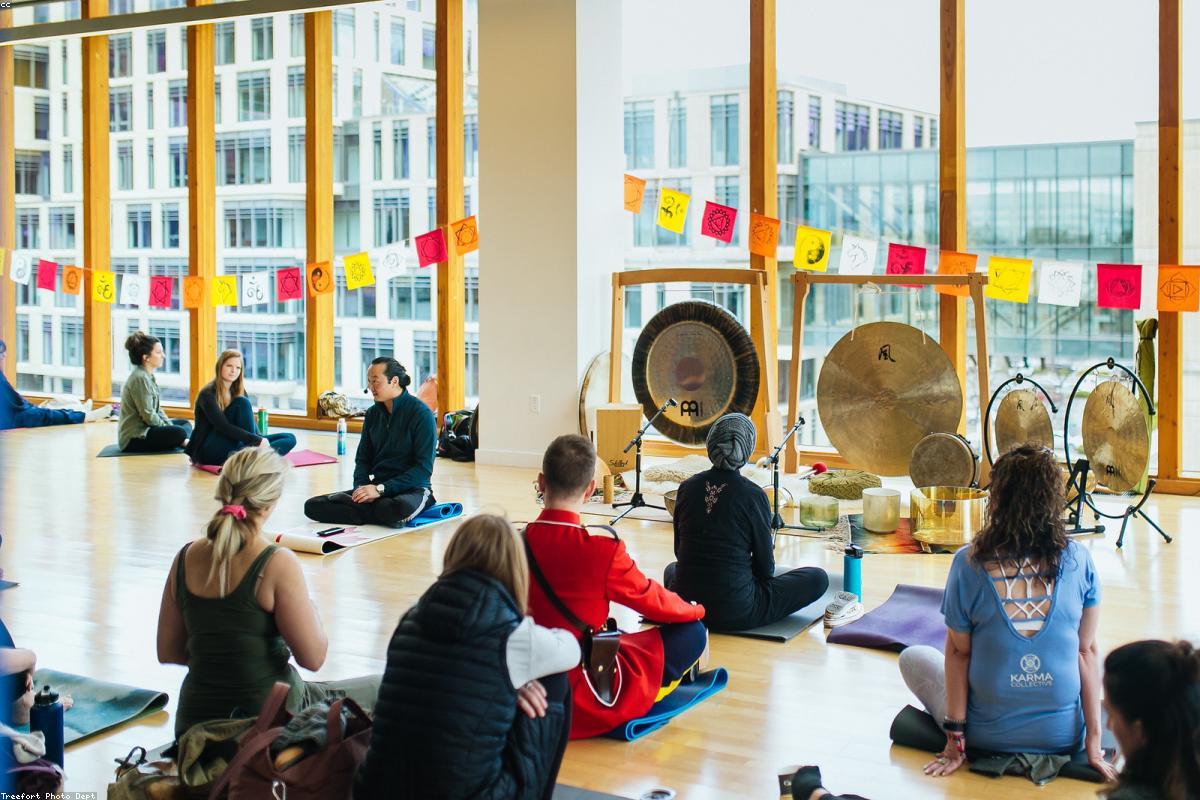
Spending $100 on Yoga Pants Might Just Be Paying for the Label
I had a student who wore Lululemon to her first class and Old Navy to her second. She whispered to me: “The second pair is more comfortable and costs $80 less.”
This is not an isolated case.
I have been teaching for 6 years and I have seen too many people fall into the same trap: thinking expensive equals good. Spending over $100 on yoga pants that pill after two wears. Or buying those $15 shipping-included leggings that go see-through in the first downward dog.
What is wrong? Price and quality have never been directly proportional. Most of the premium brand markup goes to marketing and packaging, not fabric and craftsmanship. And ultra-cheap brands use low-density knit fabric that stretches thin after a few sun salutations.
The right approach: Focus on fabric composition and weave, ignore the label. Good affordable yoga wear uses high-density nylon blended with spandex. Nylon handles abrasion and elastic recovery, while spandex handles stretch and compression. This combination costs $30 to $50 and performs like premium gear.
The results: The students I recommended affordable brands to still have leggings that fit perfectly after a year. The ones who spent $120 on big-name brands had waistbands rolling up after three months. The money saved is enough for a best budget yoga mat under $50 with change left over for coffee.
Choosing by Looks Alone Means Regret After One Session
A friend asked me to help her pick yoga clothes. She sent me a picture: fluorescent pink sports bra with white leggings. I asked what she practiced. Flow yoga, she said.
“You will have to wash those white pants after day one, and fluorescent pink shows your bra outline under bright light.”
She did not believe me. She bought them. Wore them once and threw them in the closet.
What is wrong? Yoga wear functionality is not a myth. Light-colored bottoms reveal unflattering lines in squats, child pose, and forward folds. And good-looking cotton tops soak up sweat, becoming heavy and cold, making you constantly tug at your clothes mid-practice.
The right approach: Prioritize dark or printed bottoms, especially for styles with lots of squats and wide-legged poses. Choose quick-dry tops, not cotton. Seams should be flat and tags removable. If you do inversions or shoulder stands frequently, go for high-waisted styles.
The results: Another friend switched to dark gray high-waisted leggings with a quick-dry tank. She never tugged at her clothes during flow yoga again. She told me later that “comfortable” matters more than “good-looking” for consistency. If you need pockets for your phone, read best yoga leggings with pockets.
Wrong Size Is Worse Than Wrong Brand
A male student, 178 cm tall and 75 kg, bought size M yoga shorts. In his first warrior II, the crotch seam ripped. He was so embarrassed he avoided wide-legged poses for the rest of class.
What is wrong? Yoga wear is not casual wear. It needs to accommodate maximum range of motion. Many people buy their everyday size, only to find it strangling their hips, shoulders, and chest during stretches.
The right approach: Measure your waist, hips, and thigh circumference. Compare with the brand size chart. If you are between S and M, go up a size. When trying on, do a few test moves: downward dog (check waistband slippage), warrior II (check crotch tension), and forward fold (check back restriction).
The results: I told that student to exchange for size L. He practiced for six months without another rip. Another female student bought size S that rolled up into a rope during bridge pose — switching to M made her say “I can finally breathe.” If you are still unsure, start with this comprehensive yoga clothes buying guide.
Thinking Quick-Dry Is Everything While Ignoring Durability
A student bought quick-dry yoga leggings for $25. The first hot yoga class, they dried fast. But after five washes, the elastic waistband started showing through.
What is wrong? Quick-dry fabrics come in many grades. Cheap quick-dry pants use low-cost polyester that does not absorb moisture — it just traps sweat against your skin. This fabric pills easily.
The right approach: Before buying, scroll through the reviews for after three months or after ten washes. For fabric composition, prioritize nylon (at least 75%) blended with 15%-20% spandex. Avoid pure polyester unless you only plan to wear them for one season.
The results: CRZ Yoga Butterluxe, 90 Degree by Reflex, and Colorfulkoala leggings have all lasted over a year of weekly washing without pilling. That $25 pair? After three months, they became lounge-only pants. Below are six budget leggings I tested.
Ignoring Breathability Turns Hot Yoga into a Sauna
In one of my hot yoga classes, a student walked in wearing a thick cotton long-sleeve and black leggings. Ten minutes later, she was pale and nearly fainted.
What is wrong? Hot yoga rooms are 40 degrees Celsius with high humidity. Thick cotton soaks up sweat like a wet towel, weighing you down and preventing your body from cooling.
The right approach: For hot yoga, choose thin, mesh-paneled, or side-slit styles. For cold or yin yoga, slightly thicker fabrics work better. Choose something thin enough to see light through.
The results: I had her switch to a thin quick-dry tank and shorts. She said she finally made it through a full class. Another student wore a thin mesh long-sleeve to hot yoga and her top was still dry afterward.
Ignoring Seams and Tags Means Itching Through Class
A student wore new yoga pants to class and started scratching her inner thighs halfway through. After class, she found the plastic tag had rubbed her skin raw.
What is wrong? Many budget yoga brands use hard plastic tags sewn into the waistband. Others have raised seams that feel like a pebble under your knee during child pose.
The right approach: Check product photos for flat seam or tagless labels. When the clothes arrive, remove all tags and wear them for 5 minutes of floor poses. If there is any friction, return them.
The results: Students who bought Old Navy Powersoft series — flat seams, removable tags — reported no rubbing after a year. If you want durable styles, check out best yoga pants for women.
Getting Quality Yoga Wear for Under $50
I have been teaching yoga for 12 years and worn everything from $15 to $150. The $30 to $50 range, if you know what to look for, can match or exceed premium brands.
Three key points: fabric — nylon-spandex blend; size — size up when in doubt; features — flat seams and breathability.
Here are the budget brands I have tested — all under $50.
Pros & Cons
Pros
- High-density nylon-spandex blends in the $30-$50 range offer durability and elasticity comparable to expensive brands.
- Old Navy Powersoft series features flat seams and removable tags, preventing skin irritation during floor poses.
- CRZ Yoga Butterluxe, 90 Degree by Reflex, and Colorfulkoala leggings lasted over a year of weekly washing without pilling or deformation.
- Deep-colored or printed leggings conceal sweat marks and avoid transparency in poses like child’s pose or forward fold.
- Choosing one size up prevents seam ripping and waistband rolling during wide-legged poses like warrior II.
Cons
- Cheap $15 leggings become see-through during downward dog, exposing underwear.
- Low-density knit fabrics in ultra-budget yoga wear stretch out and lose shape after a few sun salutations.
- Inexpensive $25 ‘quick-dry’ leggings had elastic waistbands fail after only five washes.
- Pure cotton tops become heavy and cold when soaked with sweat, requiring constant adjustment during practice.
- Some budget yoga clothes use hard plastic tags sewn into the waistband that can chafe the skin during floor poses.
FAQ
What fabric blend should I look for in affordable yoga leggings?
The article recommends high-density nylon (at least 75%) blended with 15-20% spandex. Nylon provides abrasion resistance and elastic recovery, while spandex adds stretch and compression.
How do I choose the right size for yoga clothes?
Measure your waist, hips, and thigh circumference, then compare with the brand’s size chart. If you are between sizes, choose the larger one. Test the fit by doing downward dog (check waistband slippage), warrior II (check crotch tension), and forward fold (check back restriction).
What should I avoid when buying yoga clothes for hot yoga?
Avoid thick cotton tops and all-black leggings. Cotton absorbs sweat and becomes heavy, while black absorbs heat. Instead, choose thin, mesh-paneled, or side-slit tops and shorts or capri-length bottoms made of lightweight, breathable fabric.
Why are flat seams important in yoga clothing?
Flat seams prevent pressure points and skin irritation during floor poses like child’s pose and cat-cow. Raised seams can feel like a pebble under your knees, and the article notes that the Old Navy Powersoft series uses flat seams that cause no rubbing after a year of wear.
How can I tell if a cheap yoga legging will be durable?
Read the ‘after three months’ or ‘after ten washes’ sections of customer reviews. Look for complaints about pilling, color fading, and elastic failure. Avoid pure polyester fabrics unless you only plan to wear them for one season.
Related Guides
Pros
- +High-density nylon-spandex blends in the $30-$50 range offer durability and elasticity comparable to expensive brands.
- +Old Navy Powersoft series features flat seams and removable tags, preventing skin irritation during floor poses.
- +CRZ Yoga Butterluxe, 90 Degree by Reflex, and Colorfulkoala leggings lasted over a year of weekly washing without pilling or deformation.
- +Deep-colored or printed leggings conceal sweat marks and avoid transparency in poses like child's pose or forward fold.
- +Choosing one size up prevents seam ripping and waistband rolling during wide-legged poses like warrior II.
Cons
- −Cheap $15 leggings become see-through during downward dog, exposing underwear.
- −Low-density knit fabrics in ultra-budget yoga wear stretch out and lose shape after a few sun salutations.
- −Inexpensive $25 'quick-dry' leggings had elastic waistbands fail after only five washes.
- −Pure cotton tops become heavy and cold when soaked with sweat, requiring constant adjustment during practice.
- −Some budget yoga clothes use hard plastic tags sewn into the waistband that can chafe the skin during floor poses.
Specifications
| Price Range for Quality | $30 - $50 |
| Ideal Nylon Content | 75% or higher |
| Ideal Spandex Content | 15% - 20% |
| Avoid | Pure polyester, pure cotton, low-density knits |
| Recommended Brands (tested) | CRZ Yoga Butterluxe, 90 Degree by Reflex, Colorfulkoala, Old Navy Powersoft, Target All In Motion, Amazon Essentials |
| Key Features | Flat seams, removable tags, high waist, dark or printed colors |
Frequently Asked Questions
What fabric blend should I look for in affordable yoga leggings?
The article recommends high-density nylon (at least 75%) blended with 15-20% spandex. Nylon provides abrasion resistance and elastic recovery, while spandex adds stretch and compression.
How do I choose the right size for yoga clothes?
Measure your waist, hips, and thigh circumference, then compare with the brand's size chart. If you are between sizes, choose the larger one. Test the fit by doing downward dog (check waistband slippage), warrior II (check crotch tension), and forward fold (check back restriction).
What should I avoid when buying yoga clothes for hot yoga?
Avoid thick cotton tops and all-black leggings. Cotton absorbs sweat and becomes heavy, while black absorbs heat. Instead, choose thin, mesh-paneled, or side-slit tops and shorts or capri-length bottoms made of lightweight, breathable fabric.
Why are flat seams important in yoga clothing?
Flat seams prevent pressure points and skin irritation during floor poses like child's pose and cat-cow. Raised seams can feel like a pebble under your knees, and the article notes that the Old Navy Powersoft series uses flat seams that cause no rubbing after a year of wear.
How can I tell if a cheap yoga legging will be durable?
Read the 'after three months' or 'after ten washes' sections of customer reviews. Look for complaints about pilling, color fading, and elastic failure. Avoid pure polyester fabrics unless you only plan to wear them for one season.
Every mat we recommend has been personally tested by our team. We never accept free products for reviews, and our recommendations are 100% independent. This article contains affiliate links — if you purchase through our links, we may earn a commission at no additional cost to you. Learn more.