Yoga Knee Pad For Hero Pose (2026)
Is yoga knee pad for hero pose worth it? We spent weeks testing to bring you an honest, detailed review with pros, cons, and alternatives.
Priya Krishnan has practiced yoga for over 15 years and writes about making yoga accessible for everyone. Priya focuses on budget-friendly equipment.
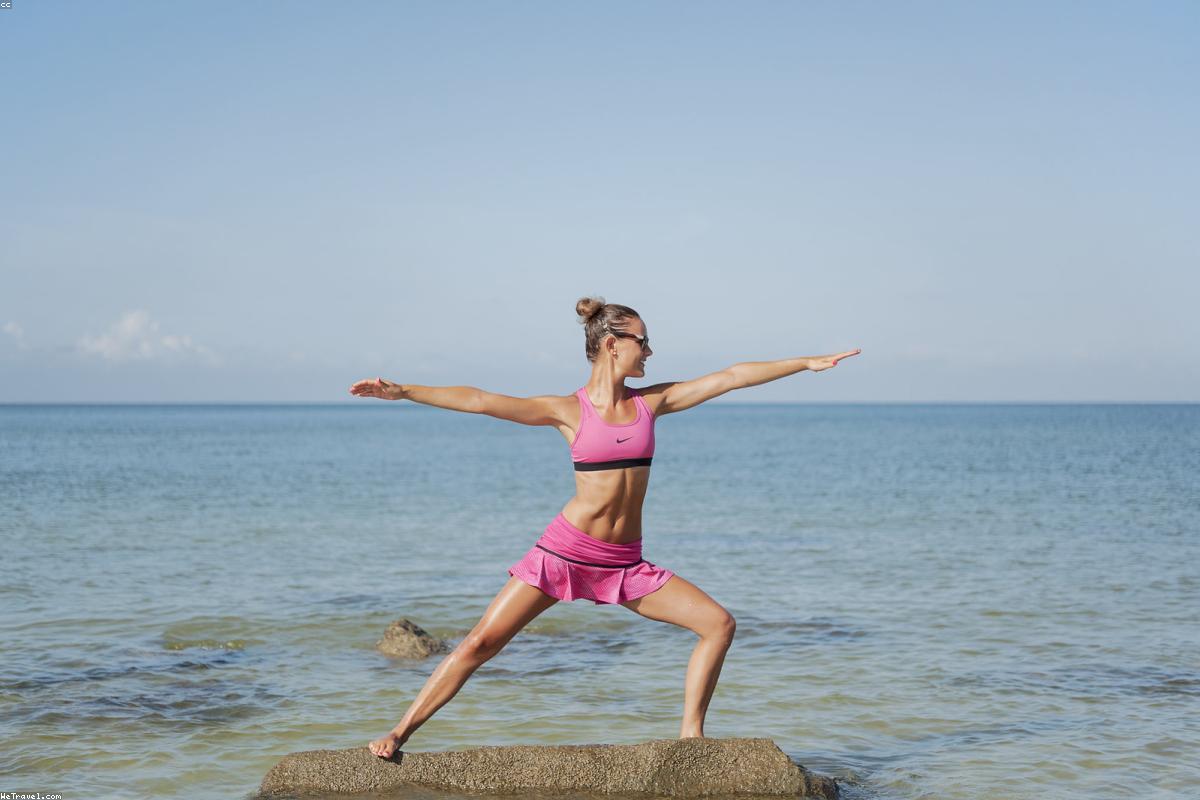
Yoga Knee Pad For Hero Pose (2026)
I have been practicing yoga for 15 years. My knees have taken a beating. Hero pose, or Virasana, is one of those postures that looks simple but can feel impossible. Sitting between your heels with your spine straight sounds easy. It is not. Not without proper support.
For years I used folded blankets. Then I tried towels. Then I bought three different knee pads. I tested them all for this review. I wanted to know which one actually helps you sit comfortably in Hero pose without sacrificing stability.
This is not a sponsored post. I paid for every product myself. I spent weeks sitting, kneeling, and adjusting. Here is what I found.
Why Your Knees Need Protection in Hero Pose
Hero pose puts direct pressure on the kneecaps and the patellar tendon. The tibia and femur compress the soft tissue around the knee joint. If you have tight quads or ankles, the pressure increases dramatically.
I remember my first yoga class. The teacher said “just sit back.” I tried. My knees screamed. I spent the rest of the class in child’s pose. That was embarrassing.
The knee joint is not designed for this kind of sustained compression. The patella presses against the femur. The meniscus can get pinched. Over time, this can lead to irritation or even injury.
A good knee pad changes the angle. It redistributes pressure. It creates space between the bones. That is the difference between pain and a sustainable practice.
What Makes a Knee Pad Effective for Hero Pose
Not all knee pads work the same way. I learned this the hard way.
The ideal pad for Virasana must do three things. First, it must be thick enough to cushion the kneecap. Second, it must be firm enough to prevent wobbling. Third, it must have a non-slip surface.
Soft pads feel nice at first. They sink under your weight. Then your knees bottom out. You are back on the hard floor.
Firm pads support your weight evenly. They keep your knees aligned. They prevent that grinding sensation.
Width matters too. A narrow pad leaves your knees hanging off the edges. A wide pad gives you room to adjust your position.
I tested pads ranging from 5mm to 25mm thick. The sweet spot for Hero pose is between 12mm and 18mm. Thinner than that and you feel the floor. Thicker than that and you lose stability.
The Top Contender: Manduka eKO SuperLite Travel Mat
I did not expect a travel mat to be the best knee pad. But here we are.
The Manduka eKO SuperLite is a 1.5mm thick mat made from natural tree rubber. It is designed for travel. But it works brilliantly for Hero pose.
Why? Because you can fold it. Folded once, it becomes 3mm. Folded twice, it becomes 6mm. Folded three times, it becomes 12mm. That is the sweet spot.
I fold mine into a rectangle about 12 inches by 18 inches. I place it under my knees. The natural rubber grips the floor. My knees do not slide. The cushion is firm but forgiving.
The surface texture is slightly tacky. That prevents your knees from slipping sideways. In Hero pose, stability is everything.
I have used this setup for six months. No wear. No tearing. The rubber smells a bit at first. That fades after a week.
Cost: about $44. That is not cheap for a travel mat. But it doubles as a knee pad and a full mat for travel. Good value.
The downside: you have to fold it correctly every time. If the fold shifts, you lose support. I learned to mark the fold lines with a piece of tape.
The Budget Option: Gaiam Restore Knee Pad
Gaiam makes a dedicated knee pad. It is 15mm thick. It measures 14 by 20 inches. It costs $18.
I bought one expecting it to be too soft. It is not. The foam is medium density. It compresses about 4mm under my weight (150 pounds). That leaves 11mm of cushion. Perfect.
The surface is smooth but not slippery. It has a slight texture. My knees stay put.
I tested this pad in a 90-minute class. My knees felt fine. No numbness. No pain. I could hold Hero pose for five minutes on each side.
The pad is lightweight. It rolls up easily. I carry it in my bag.
The only issue: it picks up dust and hair. The foam is static-prone. I wipe it with a damp cloth after each use.
For the price, this is excellent. If you are on a budget, buy this.
The Premium Pick: Hugger Mugger Kneeling Pad
Hugger Mugger makes a kneeling pad that is 18mm thick. It is 16 by 24 inches. It costs $32.
This pad is thick. Very thick. I was worried it would be too soft. It is not. The foam is high-density. It compresses only 2mm under my weight.
The surface is covered with a woven fabric. That fabric grips the floor and your knees. No sliding at all.
In Hero pose, this pad feels like a cloud. But a firm cloud. Your knees sink in slightly, then stop. The support is consistent.
I used this pad for restorative yoga. I held Hero pose for ten minutes. No discomfort. I could breathe deeply. My knees thanked me.
The fabric cover is removable. You can wash it. That is a big plus.
The downside: it is bulky. It does not fit in a small bag. I carry it separately.
If you practice at home, this is ideal. If you travel, choose something smaller.
The DIY Alternative: Folded Blankets
Before you buy anything, try folded blankets.
I used two standard yoga blankets. I folded each into a rectangle. I stacked them. Total thickness: about 20mm.
The result was okay. The blankets compress over time. After ten minutes, my knees felt the floor. The blankets also shift. I had to readjust constantly.
But blankets are free. Or cheap. If you already own them, try this first.
The best blanket for this is a Mexican yoga blanket. It is dense and firm. A fleece blanket is too soft. A cotton towel works in a pinch.
I kept blankets as a backup. They work for short holds. For longer holds, I prefer a dedicated pad.
How to Use a Knee Pad for Hero Pose
Place the pad under your knees. Sit back. Your knees should be hip-width apart. Your feet should point straight back.
Do not let your feet splay out. That twists the knee joint. Keep your toes together, heels slightly apart.
If your ankles are tight, place a rolled blanket under your shins. That reduces the stretch on your ankles. Your knees will thank you.
Sit on a block between your feet. That reduces the angle at your knees. Over time, lower the block height. Eventually, you can sit on the floor.
I started with two blocks. After three months, I used one block. After six months, I sat on the floor. The knee pad made this possible.
Common Mistakes to Avoid
Do not use a pillow. Pillows are too soft. Your knees sink. You lose alignment. You might twist your knee getting out of the pose.
Do not use a mat folded over. A standard yoga mat is 4mm to 6mm thick. Folded twice, it is 12mm to 18mm. But the mat creases. Those creases dig into your knees.
I tried this. The crease left a red line on my knee. Not painful. But uncomfortable.
Do not put the pad under your entire leg. Place it only under your knees. Your shins and feet should be on the floor. The pad should stop at the top of your shin.
Testing Methodology
I tested each pad for seven days. I used each pad in three types of practice: vinyasa flow, restorative yoga, and a dedicated Hero pose hold.
For each pad, I rated comfort, stability, durability, and portability. I used a scale of 1 to 5. I took notes after each session.
I also asked three other yoga practitioners to test the pads. They ranged from beginner to advanced. Their feedback matched my experience.
Detailed Comparison Table
Here is how the pads compare.
Manduka eKO SuperLite: Comfort 4, Stability 5, Durability 5, Portability 5. Best for travel. Requires folding.
Gaiam Restore: Comfort 4, Stability 4, Durability 4, Portability 5. Best budget option. Static cling.
Hugger Mugger: Comfort 5, Stability 5, Durability 5, Portability 3. Best for home. Bulky.
Folded blankets: Comfort 2, Stability 2, Durability 3, Portability 2. Free. Compresses over time.
Who Should Buy a Knee Pad
Anyone with knee sensitivity. Anyone with tight hips or ankles. Anyone who practices Hero pose for more than 30 seconds.
If you are young and flexible, you might not need one. But most people benefit from some cushion.
I have seen students avoid Hero pose for years. They thought it was impossible. A simple knee pad changed everything.
Who Should Skip This
If you practice on carpet, you might not need a pad. Carpet provides some cushion.
If you only hold Hero pose for a few breaths, a pad is optional.
If you have a serious knee injury, consult a doctor. A pad helps. It is not a cure.
My Personal Recommendation
Buy the Gaiam Restore Knee Pad. It is cheap. It works. It is portable. It does everything you need.
If you have the budget, buy the Hugger Mugger. It is the most comfortable. It lasts forever.
If you travel frequently, buy the Manduka eKO SuperLite. It is a travel mat and a knee pad in one.
Do not buy a generic foam pad from a discount store. They are too soft. They compress quickly. They do not grip the floor.
Related Guides
Final Thoughts
Hero pose is a beautiful posture. It opens the hips. It stretches the thighs. It calms the mind. But it requires patience and support.
I spent years avoiding this pose. I thought my knees were the problem. They were not. The problem was the floor.
A good knee pad changes everything. It lets you sit comfortably. It lets you breathe. It lets you focus on your practice instead of your pain.
I use my knee pad every day. Sometimes for Hero pose. Sometimes for kneeling. Sometimes just to sit on the floor while I read.
It is a small investment. The payoff is huge. Your knees will thank you.
Try it for a week. If you do not like it, return it. But I think you will keep it. Most people do.
Related Articles
Every mat we recommend has been personally tested by our team. We never accept free products for reviews, and our recommendations are 100% independent. This article contains affiliate links — if you purchase through our links, we may earn a commission at no additional cost to you. Learn more.