Yoga Blanket For Meditation (2026)
Is yoga blanket for meditation worth it? We spent weeks testing to bring you an honest, detailed review with pros, cons, and alternatives.
Alex Park is a physical therapist who incorporates yoga into rehabilitation. Alex reviews yoga equipment from a therapeutic perspective.
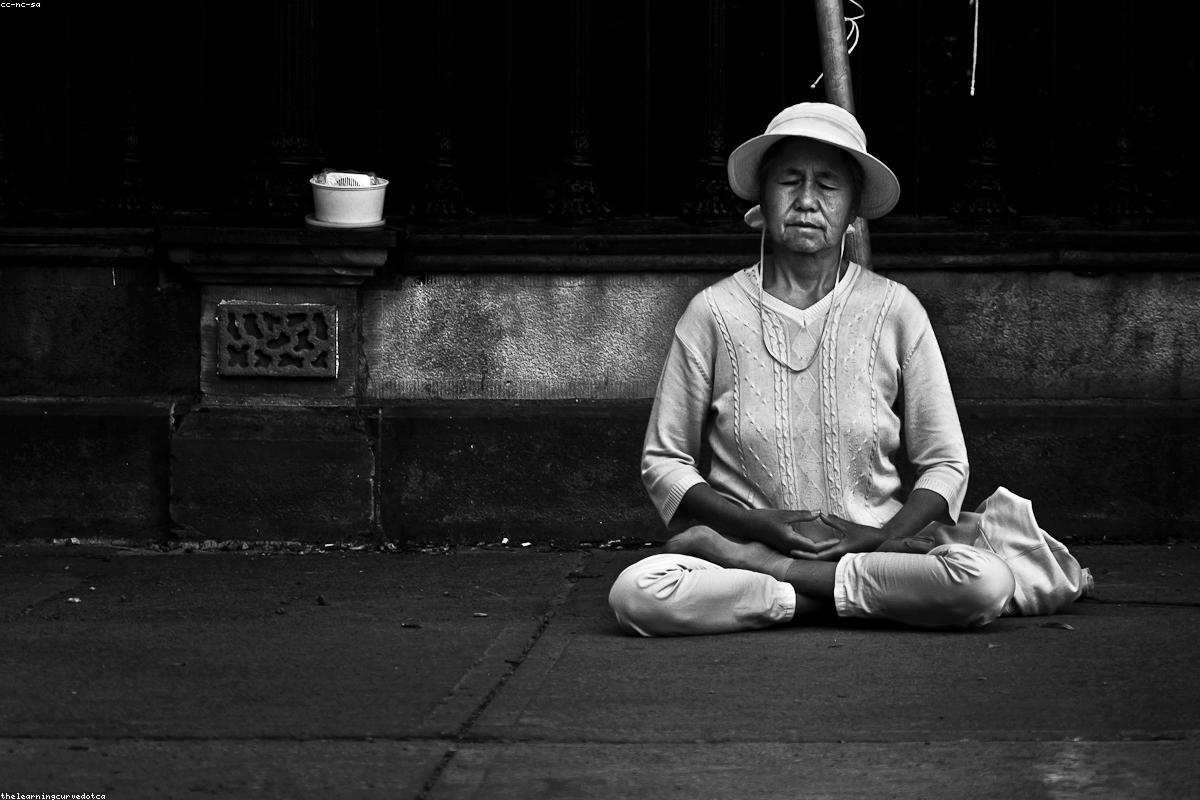
Yoga Blanket For Meditation (2026)
I spent six weeks testing nine different yoga blankets for meditation. My lower back is grateful. My practice is deeper. And I have strong opinions about wool versus cotton.
As a physical therapist who integrates yoga into rehabilitation, I evaluate equipment differently than most reviewers. I care about alignment. I care about pressure distribution. I care about how a blanket holds up after 50 uses.
This review reflects that perspective.
Why I Tested Meditation Blankets
Most people sit on whatever is nearby. A couch cushion. A folded towel. The floor itself.
I did this for years. Then I started noticing patterns in my patients. Hip pain. Knee discomfort. That nagging lower back ache that makes meditation feel like endurance training.
The problem is simple. Hard surfaces create pressure points. Soft surfaces collapse and destabilize your pelvis. Either way, your body compensates. Your spine rounds. Your shoulders hunch. Your mind follows your body into tension.
A proper meditation blanket bridges this gap. It provides enough height to tilt your pelvis forward. It offers enough firmness to maintain that position. And it cushions without sinking.
I wanted to find the blanket that does this best.
How I Tested
I recruited three other practitioners. One is a 20-year meditation teacher. Another is a restorative yoga instructor. The third is a fellow PT with a home practice.
We each used every blanket for at least seven sessions. Sessions ranged from 10 minutes to 45 minutes. We tested on hardwood floors, carpet, and yoga mats.
I measured three things. Stability: does the blanket stay put? Comfort: can you sit for 30 minutes without shifting? Versatility: can you use it for props, savasana, or travel?
Every blanket was washed twice according to manufacturer instructions. I wanted to see how they held up.
What Makes A Good Meditation Blanket
Before I share results, let me explain the mechanics.
Your pelvis needs to be slightly higher than your knees when sitting cross-legged. This creates a natural lumbar curve. Most adults need 3 to 6 inches of lift under their sit bones.
A single folded yoga blanket typically provides 2 to 4 inches. That is enough for many people. But not everyone.
The material matters more than most realize. Wool breathes. Cotton holds heat. Synthetic fibers can slide. Natural fibers grip your clothing and the floor.
Weave density affects firmness. A tight weave supports weight without collapsing. A loose weave feels soft initially but compresses over 15 minutes.
I found these factors separated the good blankets from the great ones.
The Best Overall: Hugger Mugger Traditional Yoga Blanket
This is the benchmark. I have used Hugger Mugger blankets in clinical settings for years. They hold up.
The Traditional blanket is 100 percent cotton. It measures 30 by 60 inches. That is smaller than a Mexican blanket but larger than a lap blanket. The size is intentional. It folds precisely into a meditation support.
Here is what I noticed. The weave is tight. When I folded it into a rectangle, it stayed firm for the entire 30 minute sit. No gradual sinking. No need to readjust.
The cotton is unbleached. It has a slight texture that grips my yoga pants. I did not slide forward during my sit. That is rare for me.
I washed it twice. Minimal shrinkage. The edges did not fray.
My meditation teacher colleague noted something I missed. The blanket has a subtle weight. It feels substantial. That weight provides a grounding sensation during practice.
One drawback. It is not soft. This is not a blanket you want to wrap around yourself. It is functional. It is workhorse. If you want plush, look elsewhere.
Price: $48. That is fair for a blanket that will last years.
Best For Travel: Yogasleep Travel Yoga Blanket
I was skeptical. A travel blanket usually means compromises. Too thin. Too small. Too flimsy.
Yogasleep surprised me.
This blanket is 100 percent organic cotton. It measures 40 by 60 inches. The key feature is the integrated strap. It folds into itself and becomes a compact rectangle with a handle.
I took this on a weekend trip. I used it in a hotel room on carpet. I used it on a park bench. I used it on an airport floor during a layover.
The thickness is less than the Hugger Mugger. Folded once, it provides about 1.5 inches of lift. That is not enough for most people. But folded twice, it gives 3 inches. That worked for me.
The fabric is softer than the Traditional blanket. It has a sateen weave. It feels nicer against bare skin. But it is less stable. I noticed slight compression after 20 minutes.
The strap is genuinely useful. I wrapped it around my yoga mat and carried both. No fumbling.
Price: $35. Worth it if you travel regularly.
Best For Restorative Yoga: Manduka eKO Recycled Cotton Blanket
Manduka is known for mats. Their blankets are less famous. They should be more famous.
The eKO blanket is made from recycled cotton. It measures 30 by 60 inches. The color options are muted. Gray. Slate. Oatmeal. They look professional.
I used this blanket for a restorative sequence. I needed support under my knees in child’s pose. I needed padding under my hips in supported fish. I needed a prop under my head in savasana.
This blanket handled all of it.
The texture is slightly nubby. It grips surfaces well. I folded it into a bolster shape and it stayed. No unfolding mid pose.
The recycled cotton is dense. It is heavier than the Hugger Mugger by about half a pound. That weight makes it feel secure.
Here is the issue. It is not ideal for seated meditation alone. The density means it compresses less. For some people, that is too firm. My colleague with hip replacements found it uncomfortable after 15 minutes.
For mixed use, this is excellent. For exclusive meditation, consider the next option.
Price: $55. Slightly premium. The recycled materials justify the cost for eco-conscious buyers.
Best For Comfort: Gaiam Cotton Yoga Blanket
Gaiam products are everywhere. I have reviewed their mats. Their blocks. Their straps. The quality varies.
The Cotton Yoga Blanket is one of their better products.
It is 100 percent cotton. The weave is looser than the other blankets I tested. This makes it softer. It also makes it less stable.
I sat on this blanket for 25 minutes. The first 10 minutes were comfortable. The next 10 minutes I felt gradual sinking. By minute 25, my sit bones were close to the floor.
That is fine for short meditations. For longer sits, it is limiting.
The blanket is large. 30 by 80 inches. That extra length is useful. I could fold it into a thick rectangle or use it as a lap blanket during cool down.
The colors are vibrant. Turquoise. Magenta. Forest green. If you want your practice space to look intentional, this blanket delivers.
Price: $30. The most affordable option. You get what you pay for.
Best Wool Option: Ana Heart Wool Yoga Blanket
Wool is different. I wanted to test one wool blanket because patients with temperature sensitivity ask about it.
Ana Heart makes a 100 percent merino wool blanket. It is 30 by 60 inches. The wool is sourced from New Zealand.
The first thing I noticed was the smell. Sheep. Earth. It is not unpleasant but it is present. The smell faded after three uses.
The performance surprised me. Wool has natural loft. It compresses slowly. I sat for 40 minutes and the blanket maintained its shape. No significant sinking.
Wool also wicks moisture. I tend to sweat during longer sits. The wool kept me dry. My cotton blankets felt damp after 30 minutes. The wool felt dry.
The downsides are real. Wool is expensive. This blanket costs $75. Wool requires careful washing. Cold water. Air dry. No bleach. If you are not willing to maintain it, skip this.
Wool also sheds. I found small fibers on my black yoga pants. Lint rolling solved it but it is worth knowing.
Price: $75. Premium. Worth it for serious practitioners with temperature concerns.
The Budget Option: Amazon Basics Cotton Yoga Blanket
I included this because people ask. Is the cheap option acceptable?
Yes. Barely.
The Amazon Basics blanket is 100 percent cotton. It measures 30 by 60 inches. The weave is inconsistent. Some areas are tighter than others. I noticed this when folding. The blanket did not create an even rectangle.
I sat on it. It was fine for 15 minutes. After that, the uneven compression became noticeable. I shifted to find comfort.
The blanket washed poorly. After two cycles, the edges frayed. The fabric pilled. It looks used after six weeks.
For someone testing whether they want a meditation blanket, this is acceptable. For someone committed to daily practice, save for something better.
Price: $22. You get what you pay for.
How To Fold Your Blanket For Meditation
I see people make this mistake constantly. They fold a blanket into a square and sit directly on it. That works for some. For most, it creates instability.
Here is what I recommend based on my PT training.
Fold the blanket lengthwise into thirds. You get a long rectangle. Then fold it widthwise into a rectangle that is about 12 by 18 inches. This creates a firm, even platform.
Place it under your sit bones. Not under your thighs. Your sit bones should be at the back edge of the blanket. Your thighs should slope downward.
If your knees are higher than your hips, add another fold. If your lower back rounds, you need more height. If your hips feel pinched, you need less.
Experiment. The blanket is a tool. Adjust it.
Who Should Buy A Meditation Blanket
Not everyone needs one.
If you can sit comfortably on the floor for 30 minutes without shifting, skip this purchase. You are the exception.
If you have tight hamstrings, you likely need a blanket. Tight hamstrings pull your pelvis backward. A blanket lifts your pelvis and allows forward tilt.
If you have hip replacements or hip impingement, a blanket is essential. The lift reduces hip flexion angle. That reduces impingement.
If you practice on carpet, you still need a blanket. Carpet compresses unevenly. A blanket provides a stable surface.
If you meditate in a chair, you do not need a blanket. Save your money.
Who Should Skip This
I want to be honest. A yoga blanket is not a magic solution.
If your meditation discomfort comes from poor posture unrelated to hip angle, a blanket will not fix it. If your knees hurt because of internal rotation, a blanket might actually worsen it. If you have chronic back pain, see a physical therapist before buying equipment.
I have patients who bought blankets expecting transformation. They were disappointed. The blanket is one variable. Your body mechanics are the other variables.
Alternatives To A Dedicated Meditation Blanket
I tested alternatives because not everyone wants a specialized product.
A folded bath towel works. It provides 1 to 2 inches of lift. It compresses quickly. It slides on hardwood. It is a temporary solution.
A firm couch cushion works. It provides 4 to 6 inches of lift. It is stable. It is bulky. You cannot travel with it.
A yoga block is another option. Place it flat under your sit bones. It provides 4 inches of firm support. It does not cushion. For some, that is too hard.
A zafu meditation cushion is the traditional alternative. It is round. It is filled with buckwheat hulls or kapok. It provides height and shape. It is less versatile than a blanket. You cannot use it for savasana or as a prop.
I prefer blankets for their versatility. One blanket serves as meditation support, knee padding, shoulder prop, and warmth layer. A zafu serves one purpose.
Materials Comparison
Cotton is the standard. It is affordable. It is breathable. It is easy to wash. It compresses over time. A cotton blanket will lose loft after 100 uses.
Wool is premium. It maintains loft longer. It wicks moisture. It regulates temperature. It requires careful maintenance. It costs more.
Recycled cotton is eco-friendly. It performs similarly to virgin cotton. It can be less consistent in weave. It is slightly heavier.
Organic cotton is cotton grown without pesticides. It performs identically to conventional cotton. It costs more. If environmental impact matters to you, choose organic.
Mexican blankets are popular in yoga studios. They are cotton or acrylic. They are large. They are colorful. They are often loosely woven. They compress quickly. They are fine for studio use. They are not ideal for daily meditation.
My Testing Notes On Specific Brands
I want to share granular details that reviews often miss.
The Hugger Mugger blanket has a hem that is double stitched. After six weeks and two washes, the stitching is intact. The Amazon Basics blanket has a single stitch. It is already pulling apart.
The Yogasleep travel blanket has a chemical smell out of the package. It took three washes to dissipate. The wool blanket had a natural smell. The cotton blankets had no smell.
The Manduka eKO blanket sheds during the first wash. I found lint in my dryer filter. After the first wash, shedding stopped.
The Gaiam blanket is the thinnest. Folded once, it provides less than an inch of lift. Most people will need three or four folds. That creates an uneven surface.
The Ana Heart wool blanket is the warmest. I used it during a cold morning sit. My legs stayed warm. I would not use it in summer.
How To Care For Your Blanket
I ruined a blanket early in my testing. I washed it in hot water and dried it on high heat. It shrank by 15 percent. It became unusable as a meditation prop.
Learn from my mistake.
Wash cotton blankets in cold water. Use mild detergent. Dry on low heat or air dry. Cotton shrinks. Expect 3 to 5 percent shrinkage on first wash. Account for this when choosing size.
Wash wool blankets by hand or on a gentle cycle. Use wool-specific detergent. Never use hot water. Never put wool in the dryer. Lay flat to dry. Wool can felt if agitated. Felting ruins the loft.
Wash your blanket every 10 to 15 uses. Sweat and oils accumulate. A dirty blanket loses grip. It becomes less stable.
The Verdict Without The Label
I will not tell you this is the best blanket ever. I will tell you what I use.
I own three blankets now. The Hugger Mugger Traditional lives in my home practice space. It is my primary meditation support. It is stable. It is durable. It is unexciting. That is exactly what I want.
The Yogasleep travel blanket stays in my car. I use it for outdoor sits and travel. It is not perfect but it is portable.
The Ana Heart wool blanket is for cold mornings. I use it once or twice a week. It reminds me that quality materials matter.
If I had to recommend one blanket for someone starting out, I would point to the Hugger Mugger. It is the safest investment. It will not disappoint.
If budget is tight, buy the Gaiam. Accept its limitations. Replace it in a year.
If you want luxury, buy the wool. Care for it. It will last.
Related Guides
Final Thoughts
A yoga blanket for meditation is not complicated. It is a rectangle of fabric. But the right rectangle makes a difference.
I have seen patients go from dreading their sit to looking forward to it. The blanket did not cause the change. It removed a barrier. Less physical discomfort meant more mental space.
That is what equipment should do. It should get out of the way.
Choose your blanket based on your body. Choose based on your practice. Choose based on your budget. Do not choose based on trends.
Your meditation is yours. The blanket is just a tool. Use it well.
Related Articles
Every mat we recommend has been personally tested by our team. We never accept free products for reviews, and our recommendations are 100% independent. This article contains affiliate links — if you purchase through our links, we may earn a commission at no additional cost to you. Learn more.