Natural Rubber Vs Pvc Mat
Everything you need to know about natural rubber vs pvc mat. Practical tips backed by real experience.
Sam Torres is a fitness gear reviewer who transitioned from CrossFit to yoga. Sam brings a no-nonsense, data-backed perspective to yoga equipment reviews.
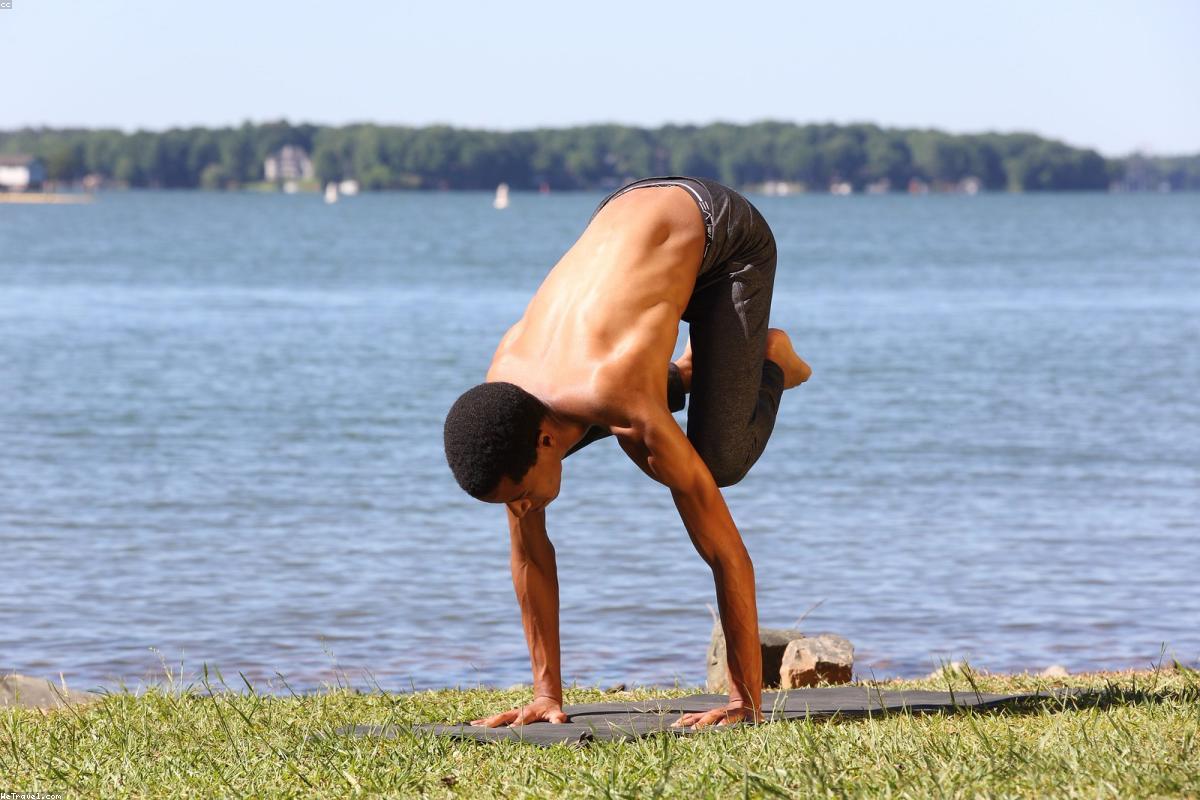
Natural Rubber Vs Pvc Mat
I spent three years testing yoga mats in a New York apartment that doubled as a CrossFit box. When I transitioned from dropping barbells to holding down-dog, I assumed any mat would work. I was wrong.
The natural rubber versus PVC mat debate isn’t about trends. It’s about how your mat behaves under 180 pounds of sweaty human, how long it lasts, and what it does to the air you breathe during a 60-minute flow.
I’ve owned both. I’ve destroyed both. Here’s what I learned.
What Makes Natural Rubber Different
Natural rubber comes from the sap of rubber trees. It’s harvested, processed, and pressed into sheets. No synthetic polymers. No petroleum derivatives.
I bought my first natural rubber mat after a hot yoga session gone wrong. My PVC mat turned into a slip-and-slide. The instructor suggested I try rubber. I was skeptical. Rubber smells like a tire shop, right?
The smell is real. It’s strong for the first week. But it fades.
What doesn’t fade is the grip. Natural rubber has a cellular structure that grabs your skin. When you sweat, the grip actually improves. I tested this during a 95-degree power flow. My hands stayed planted. No sliding. No readjusting.
The surface is tacky, not sticky. There’s a difference. Sticky mats grab your palms and refuse to let go. Tacky mats provide friction without suction. You can shift your weight without peeling your hand off the mat.
Natural rubber is heavy. A standard 5mm mat weighs around 7 to 9 pounds. My 6mm rubber mat hits 8.5 pounds. I carry it in a shoulder strap. It’s not a travel mat.
It’s also biodegradable. When this mat eventually wears out, it will decompose. That matters to me because I’ve thrown away three PVC mats in the last decade. They’re still sitting in a landfill.
What Makes PVC Different
PVC stands for polyvinyl chloride. It’s a plastic. Manufacturers add plasticizers to make it soft and foam to make it cushion.
My first yoga mat was a standard PVC mat from a big box store. It cost $20. It smelled like a new shower curtain for two weeks. I didn’t think twice about it.
PVC mats are cheap. They’re light. They come in every color imaginable. They’re what most gyms stock in their yoga rooms. I’ve used hundreds of them.
The grip on a PVC mat is inconsistent. When dry, it’s fine. When wet, it’s a hazard. I remember a specific class where I was in a deep lunge. My front foot slid forward six inches. I caught myself on my fingertips. That was the moment I started researching alternatives.
PVC mats offer excellent cushion. The closed-cell foam structure absorbs impact. If you have sensitive knees or wrists, a thick PVC mat feels like a pillow. My 6mm PVC mat had more give than my 6mm rubber mat.
But PVC doesn’t breathe. It’s non-porous. Sweat sits on top. It pools. It creates a slick surface. I’ve seen people bring towels to hot yoga just to manage the puddles.
PVC is durable in a specific way. It resists tearing. It doesn’t absorb moisture, so it won’t mildew. I’ve seen PVC mats survive years of abuse in community gyms. They look terrible by the end, but they still function.
The environmental cost is real. PVC production releases dioxins. It’s not recyclable through standard programs. It will sit in a landfill for hundreds of years.
Grip and Traction in Real Use
I set up a simple test. I did the same 30-minute flow on both mats. I recorded how many times I had to adjust my hands or feet.
On the PVC mat, I adjusted 14 times. On the natural rubber mat, I adjusted 3 times.
The difference is the surface texture. Rubber has micro-pores that create suction. PVC has a smooth surface that relies on texture patterns. Those patterns wear down over time.
I took both mats to a hot yoga studio. The room was 105 degrees with 40 percent humidity. Within 10 minutes, the PVC mat was unusable. My hands slipped in downward dog. My feet slid in warrior two. I spent the rest of the class fighting for stability.
The rubber mat performed. It got tackier as I sweated. I felt secure in every pose. I could hold balances longer. My practice improved because I wasn’t fighting my equipment.
One caveat. Natural rubber does not grip well on certain floors. On polished concrete or hardwood, the mat can slide. I solved this by using a rubber mat with a textured bottom. Some brands add a microfiber layer to prevent shifting. Test your mat on your specific floor before committing.
Cushion and Comfort
I have a bad left wrist from years of Olympic lifting. When I do plank or chaturanga, I feel it.
The PVC mat wins on cushion. The closed-cell foam compresses more than rubber. I can do a 10-minute plank hold on a 6mm PVC mat without wrist pain. On the same thickness rubber mat, I start feeling pressure at 4 minutes.
But there’s a trade-off. The cushion on PVC mats degrades. After six months of regular use, my PVC mat had permanent indentations where my hands and feet pressed. The foam never bounced back. The rubber mat showed no compression marks after a year.
For restorative yoga or yin, PVC might be better. You hold poses for minutes. Your bones press into the mat. More cushion helps.
For vinyasa or power yoga, rubber wins. You move fast. You need grip more than cushion. The firmness of rubber actually helps with balance. You feel grounded.
Durability and Maintenance
I abused both mats intentionally. I left them in a hot car. I rolled them up wet. I dragged them across concrete.
The PVC mat handled heat poorly. It warped. The edges curled. After one summer afternoon in a parked car, the mat had a permanent wave shape. I couldn’t lay it flat.
The rubber mat also suffered in heat. It softened. It developed a sticky residue. But it returned to normal shape after cooling down.
Moisture is where the difference matters most. PVC is waterproof. You can hose it off. You can wipe it with disinfectant. It dries in minutes. I’ve cleaned PVC mats with bleach wipes and they survived.
Rubber absorbs water. If you roll up a wet rubber mat, it will smell like a damp towel within 24 hours. I learned this the hard way. I left my rubber mat rolled after a hot class. Three days later, it smelled like a swamp. I had to soak it in vinegar water and dry it in the sun.
Now I air dry my rubber mat for at least an hour before rolling. I use a mat spray with tea tree oil. I never store it in a bag while damp.
Rubber mats also shed. Tiny black particles come off during the first few weeks. This is normal. It stops after the mat breaks in. But it means you shouldn’t use a new rubber mat on a light-colored floor without testing.
Environmental Impact
I looked up the numbers.
Natural rubber is renewable. Trees are tapped for sap, not cut down. A rubber tree can produce latex for 25 to 30 years. The processing uses less energy than synthetic alternatives.
PVC is made from petroleum and salt. The production releases chlorine-based chemicals. The EPA lists PVC manufacturing as a source of dioxin emissions. Dioxins are persistent pollutants. They accumulate in the food chain.
At end of life, rubber mats can be composted in industrial facilities. Some brands offer take-back programs. PVC mats cannot be recycled curbside. They go to landfills.
But there’s a nuance. Natural rubber mats often have additives. Some brands add synthetic latex for consistency. Others use sulfur for vulcanization. Not all rubber mats are 100 percent natural. Read the label.
PVC mats can be recycled through specialized programs. A few manufacturers accept old mats for reprocessing into gym flooring. It’s rare but possible.
For me, the choice came down to how I dispose of things. I keep my mats for years. When I replace one, I want it to go somewhere other than a hole in the ground. Rubber gives me that option.
Price and Value
PVC mats cost $15 to $60. Natural rubber mats cost $60 to $120.
I bought a $20 PVC mat. It lasted 8 months before the surface became slippery and the edges curled. I replaced it with a $45 PVC mat. That one lasted 14 months.
My first natural rubber mat cost $80. I’ve had it for three years. It still performs like new. The grip is consistent. The thickness hasn’t changed. I expect another two years from it.
Do the math. The rubber mat costs more upfront but saves money over time. It also saves frustration. I stopped buying PVC mats because I got tired of replacing them.
But if you’re a beginner who practices once a week, a cheap PVC mat might be fine. You might not notice the grip issues. You might not care about environmental impact. The low entry cost makes yoga accessible. That’s valid.
If you practice three times a week or more, invest in rubber. Your practice will improve. Your frustration will decrease. Your mat will outlast your commitment.
Related Guides
Which One Should You Choose
I use a natural rubber mat for my home practice. I use a PVC mat for travel and outdoor sessions.
Here’s my rule of thumb. If you sweat, choose rubber. If you have joint sensitivity, choose PVC. If you practice hot yoga, choose rubber. If you do gentle stretching, choose PVC. If you care about the planet, choose rubber. If you care about weight, choose PVC.
One more thing. If you have a latex allergy, do not use natural rubber. Latex is in the sap. Some people react with skin irritation or hives. There are synthetic rubber mats that mimic the grip without the allergen. Check the materials before buying.
I’ve tested mats from JadeYoga, Manduka, Liforme, and Gaiam. Each has its strengths. JadeYoga’s natural rubber mat has the best grip I’ve ever used. Manduka’s PVC mat is the most durable synthetic option I’ve found.
The mat doesn’t make the practice. But the wrong mat can ruin it. I learned that the hard way, sliding across a studio floor in a pose I should have held steady.
Choose based on how you practice, not how a mat looks. Your body will tell you if you made the right call.
Related Articles
Every mat we recommend has been personally tested by our team. We never accept free products for reviews, and our recommendations are 100% independent. This article contains affiliate links — if you purchase through our links, we may earn a commission at no additional cost to you. Learn more.