How To Clean Yoga Mat Complete Guide — How to Clean a Yoga Mat — Complete Guide for Every Material
How to clean a yoga mat properly for every material type — PVC. TPE, natural rubber, cork, and jute. DIY sprays, deep cleaning, and daily maintenance tips.
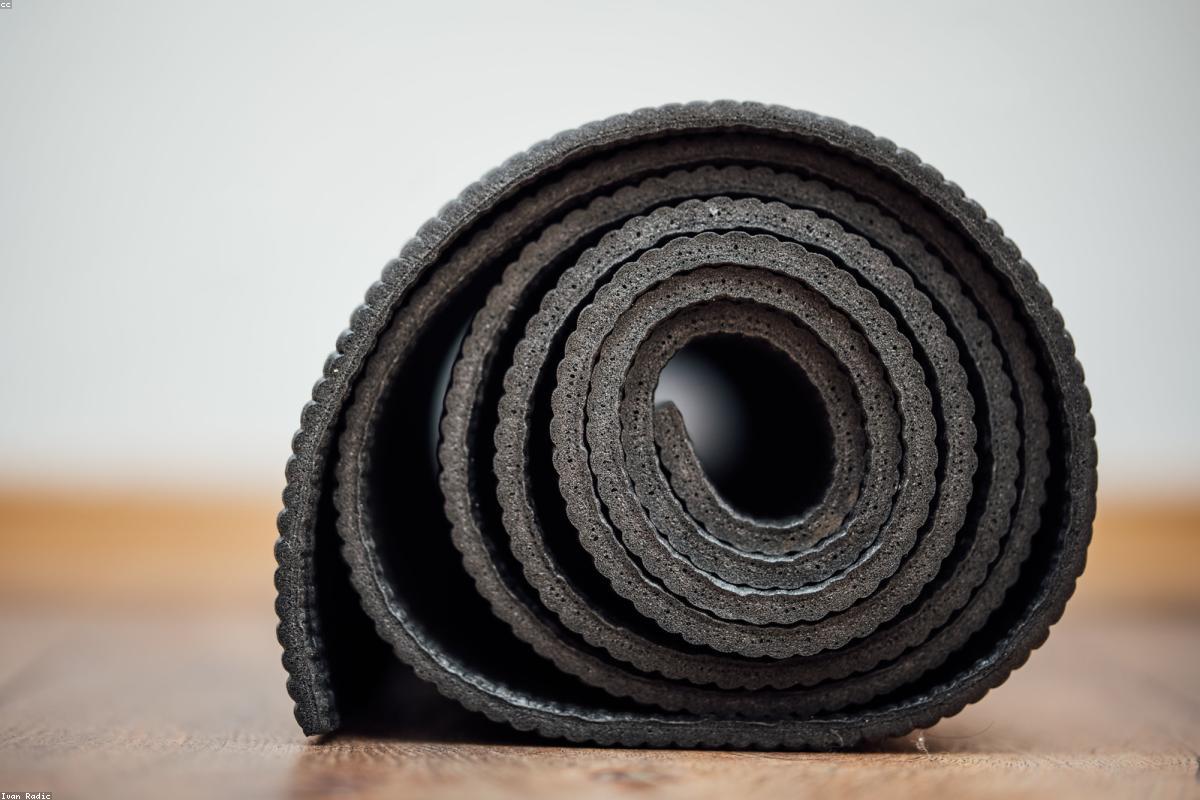
How to Clean a Yoga Mat , Complete Guide for Every Material
I used to think my yoga mat was indestructible. Then one morning, I unrolled it and nearly gagged. The smell hit me first , a sour, musty odor that no amount of airing out could fix. The surface felt slick in some spots, sticky in others. I had been practicing hot vinyasa five times a week for six months, and I had never once cleaned that mat properly.
I learned the hard way. A dirty yoga mat isn’t just gross. It’s a breeding ground for bacteria, fungi, and dead skin cells. When you press your face into Downward Dog, you’re inhaling whatever has been festering in those microscopic pores. And if your mat gets slippery, your practice suffers. You can’t hold Warrior III when your back foot is sliding toward the back wall.
The good news? Cleaning a yoga mat is simple once you know what you’re dealing with. The bad news? Most people use the wrong method for their mat material and ruin it within months.
I know because I destroyed two mats before I figured it out. A beautiful natural rubber mat that I soaked in vinegar water. A TPE mat that I scrubbed with alcohol until it crumbled. I watched $150 turn into landfill because I didn’t understand that PVC, TPE, natural rubber, cork, and jute each demand a completely different approach.
This guide covers every material. I’ll tell you exactly what works, what destroys your mat, and how to keep your practice space clean without spending a fortune on specialty products. If you want a ready-made solution, check out this yoga mat cleaner guide for product recommendations. But first, let’s talk about what’s actually on your mat and how to get rid of it.
Why Your Mat Gets Disgusting (And Why It Matters)
Sweat is the obvious culprit. One hot yoga session can leave your mat soaked. But sweat alone isn’t the problem. It’s what sweat carries: salt, oils, dead skin cells, and whatever bacteria live on your skin. When you roll up a wet mat, you create a dark, warm, humid environment. Bacteria thrive there. So does mold.
I once left my mat rolled up for three days after a particularly sweaty class. When I unrolled it, there were actual dark spots on the surface. That was mold. I had to throw the mat away.
The second enemy is dirt from your feet and hands. We track in dust, pollen, and grime from the studio floor or your home. Over time, that dirt gets ground into the mat’s surface. On porous materials like cork and jute, it becomes nearly impossible to remove.
Then there are the products. Yoga mat sprays, essential oils, and cleaning wipes. Some are fine. Others contain alcohols or chemicals that break down certain materials. I’ve seen a cork mat ruined by a single application of tea tree oil spray. The oil penetrated the surface and never came out.
The solution starts with knowing your material. Every mat type has a cleaning sweet spot. Hit it, and your mat lasts for years. Miss it, and you’re shopping for a replacement.
PVC Mats: The Workhorse
PVC is the most common yoga mat material for a reason. It’s durable, grippy, and cheap. Most studio rental mats are PVC. My first mat was a thick PVC mat from a major brand, and I beat it up for two years before it finally started peeling.
The good news about PVC is that it can handle aggressive cleaning. The bad news is that people still manage to mess it up.
Daily Cleaning
After each practice, I spray my PVC mat with a simple DIY solution. Mix equal parts water and white vinegar in a spray bottle. Add a few drops of tea tree oil if you want antibacterial properties. Mist the mat, wipe with a microfiber cloth, and let it air dry.
This works because PVC is non-porous. The vinegar kills bacteria without damaging the material. I’ve been using this method for three years on my current PVC mat, and it still looks new.
Never use bleach or heat on PVC. Bleach breaks down the plastic over time. Heat causes the mat to warp or melt. I once left a PVC mat in a hot car in July. It came out looking like a Salvador Dali painting.
Deep Cleaning
Every two weeks, I give my PVC mat a bath. Fill a bathtub with lukewarm water and a few drops of mild dish soap. Submerge the mat and gently scrub it with a soft sponge. Rinse thoroughly with cool water. Hang it over a shower rod to dry.
Do not wring it out. Do not put it in the washing machine. Do not use a scrub brush with stiff bristles. PVC is tough, but abrasive scrubbing creates micro-tears that trap dirt.
What to Avoid
Some people recommend alcohol sprays for PVC. Don’t do it. Alcohol dries out the plastic, making it brittle. After a few months, your mat will start cracking along the edges.
Bleach is the other no-go. I know a teacher who used a bleach wipe on her mat between classes. Within six months, the surface had turned sticky and tacky. She had to replace it.
| PVC | Vinegar spray | Bleach, heat | Most durable, easy to clean |
TPE Mats: The Lightweight Traveler
TPE mats are my go-to for travel. They’re lightweight, eco-friendly compared to PVC, and fold flat into a suitcase. But they are delicate. I learned this the hard way when I tried to deep clean my first TPE mat like I did my PVC mat.
Daily Cleaning
TPE requires a gentle touch. After practice, mix a few drops of mild soap with water. Use a spray bottle or damp cloth. Wipe the mat down gently. Do not scrub. TPE has a closed-cell structure that can break down under friction.
I keep a dedicated spray bottle next to my mat. The solution is simple: water and a drop of Dr. Bronner’s unscented soap. Nothing else. No vinegar. No essential oils. No alcohol.
Deep Cleaning
Once a month, I hand wash my TPE mat in cool water with a tiny amount of mild soap. I use my hands, not a sponge. I rinse until all soap is gone. Then I roll the mat in a clean towel to absorb excess water and hang it to dry.
Do not submerge a TPE mat for more than a few minutes. Prolonged soaking breaks down the material. I made this mistake once. The mat started delaminating within a week.
What to Avoid
Alcohol is the enemy of TPE. Even a small amount can cause the surface to become sticky and degrade. I’ve seen TPE mats ruined by a single spray of a commercial mat cleaner that contained alcohol.
Heat is also bad. Never dry a TPE mat in direct sunlight or near a heater. The material warps easily. Air dry only, in a shaded area.
| TPE | Mild soap | Alcohol | Delicate, hand wash only |
Natural Rubber Mats: The Grippy Goddess
Natural rubber mats are my absolute favorite for practice. The grip is unreal. When I sweat, the mat gets grippier instead of slippery. But rubber is high-maintenance. It hates water. It hates sunlight. It hates vinegar.
I bought a premium natural rubber mat and ruined it within a month. I sprayed it with my standard vinegar solution. The rubber started breaking down immediately. The surface turned tacky and uneven. I had to buy a replacement.
Daily Cleaning
Natural rubber needs a specialized cleaner. I use a DIY yoga mat cleaner recipe that’s safe for rubber. The key is no vinegar, no alcohol, no citrus oils. Just water with a tiny drop of mild soap.
Spray lightly. Wipe gently with a soft cloth. Let it air dry completely before rolling up. Rubber holds moisture, so if you roll it up damp, you’re asking for mold.
Deep Cleaning
Here’s the hard truth about natural rubber mats: you cannot deep clean them the way you clean PVC. You cannot submerge them. You cannot soak them. Rubber absorbs water and swells. Once swollen, it never returns to its original shape.
Instead, I spot clean. If there’s a sticky spot, I use a damp cloth with a tiny amount of specialized rubber cleaner. I blot, never scrub. I dry immediately with a towel.
Every three months, I take my rubber mat outside on a cloudy day. I mist it with my rubber-safe spray, wipe it down, and let it air dry in the shade for an hour. That’s the extent of deep cleaning.
What to Avoid
Direct sun is deadly. Rubber degrades under UV light. Heat causes the same problem. I left my rubber mat in the sun for 20 minutes once. The surface became sticky and never recovered.
Do not submerge. Do not use vinegar. Do not use alcohol. Do not use essential oils. The list of what not to do is longer than what to do. But if you follow the rules, a rubber mat can last three to five years.
| Natural Rubber | Specialized wash | Direct sun, heat | Do not submerge |
Cork Mats: The Natural Beauty
Cork mats look beautiful. They feel warm under your hands. They’re antimicrobial, which means they resist bacteria and odors naturally. But cork is porous. You cannot clean it like other mats.
I bought a cork mat thinking it would be low maintenance. I was wrong. Cork requires constant care, but the care is simple.
Daily Cleaning
Cork mats only need a damp cloth. That’s it. After practice, I take a clean, damp microfiber cloth and wipe the surface. No soap. No spray. Just water.
Cork is naturally antimicrobial, so it doesn’t need chemical cleaners. The water removes sweat and dirt. The cork’s natural properties handle the bacteria.
I never use a spray bottle on cork. Spraying saturates the surface, and water seeps into the pores. Over time, this causes the cork to swell and crack.
Deep Cleaning
Cork doesn’t need deep cleaning the way other mats do. If your cork mat gets dirty, use a barely damp cloth with a drop of mild soap. Wipe gently. Dry immediately with a separate cloth.
Do not soak cork. Do not use vinegar. Do not use alcohol. Do not use essential oils. All of these penetrate the porous surface and cause damage.
I once used a vinegar spray on a small corner of my cork mat as a test. That corner is permanently discolored. The vinegar ate into the cork’s natural oils.
What to Avoid
Soaking is the biggest danger. Cork is like wood. It absorbs water and expands. Once expanded, it cracks as it dries. I’ve seen cork mats destroyed by being left in a wet bathroom overnight.
Soap is also risky. Most soaps leave a residue that clogs the pores of the cork. Over time, the mat loses its natural grip and becomes slippery.
| Cork | Damp cloth only | Soaking, soap | Wipe, don’t soak |
Jute Mats: The Textured Workhorse
Jute mats are eco-friendly, textured, and provide excellent grip. They’re also the most difficult to clean. Jute is a natural fiber. It absorbs everything. Sweat, dirt, bacteria, you name it.
I bought a jute mat for outdoor practice. Within two weeks, it smelled like a barn. Not in a good way.
Daily Cleaning
Jute needs dry cleaning. After practice, I vacuum my jute mat. A handheld vacuum with a brush attachment works perfectly. It lifts dirt and dust from the fibers without pushing them deeper.
If the mat is sweaty, I let it dry completely before vacuuming. Vacuuming a damp jute mat grinds dirt into the fibers.
For spot cleaning, I use a damp cloth. I blot the spot, never rub. Rubbing spreads the stain and damages the fibers.
Deep Cleaning
Jute cannot be wet cleaned. You cannot spray it, soak it, or wash it. Water causes jute fibers to swell, shrink, and lose their structure.
Instead, I do a dry deep clean. Once a month, I take my jute mat outside and shake it vigorously. Then I vacuum both sides. If there’s a persistent odor, I sprinkle baking soda on the mat, let it sit for an hour, and vacuum it off.
That’s it. That’s the extent of jute cleaning.
What to Avoid
Wet cleaning is the death of jute. Never submerge a jute mat. Never spray it with water or cleaner. Never use soap. The fibers absorb moisture and never dry properly, leading to mold and rot.
I made the mistake of spraying a jute mat with a water-based cleaner. Within a week, the mat developed dark spots. Within a month, it was growing mold in the fibers. I had to throw it away.
| Jute | Vacuum + damp wipe | Wet cleaning | Spot clean only |
The Daily Maintenance Routine That Saved My Mats
After destroying three mats through ignorance, I developed a system. It takes five minutes after each practice. It has saved me hundreds of dollars.
Step one: Unroll your mat completely. Let it air out for five minutes. This allows moisture to evaporate before you trap it by rolling up.
Step two: Spray or wipe based on your material. PVC gets vinegar spray. TPE gets mild soap. Rubber gets specialized cleaner. Cork gets a damp cloth. Jute gets vacuumed.
Step three: Dry with a clean cloth. This is the step most people skip. They spray and roll. That’s how mold starts. Take ten seconds to wipe the surface dry.
Step four: Roll loosely. Don’t compress the mat tightly. Leave some air space. This allows any remaining moisture to escape.
Step five: Store flat or hanging. Never store a mat rolled up in a dark closet. Hang it over a door or lay it flat. Air circulation prevents bacterial growth.
I do this after every practice. It takes less time than scrolling through Instagram. And it keeps my mat smelling fresh and performing well.
When to Replace Your Mat
No amount of cleaning can save a mat that’s past its prime. Here are the signs that it’s time to buy a new one:
The surface is peeling or flaking. This means the material is breaking down. No cleaner can fix it.
The mat has a permanent smell. If you clean it thoroughly and it still smells musty, bacteria have colonized the material. Replace it.
The grip is gone. If you’re slipping in Downward Dog even after cleaning, the surface has worn smooth. Time for a new mat.
The mat is discolored in patches. This often indicates mold growth within the material. You can’t clean what’s inside.
I replace my PVC mat every two years. My rubber mat lasts about three years. Cork and jute mats last one to two years with proper care. TPE mats last about a year.
| PVC | Vinegar spray | Bleach. heat | Most durable, easy to clean | | TPE | Mild soap | Alcohol | Delicate, hand wash only | | Natural Rubber | Specialized wash | Direct sun, heat | Do not submerge | | Cork | Damp cloth only | Soaking, soap | Wipe, don’t soak | | Jute | Vacuum + damp wipe | Wet cleaning | Spot clean only |
Related Guides
My Final Recommendation
If you want the easiest cleaning experience, get a PVC mat. It’s durable, forgiving, and responds well to simple vinegar sprays. My current PVC mat from Manduka has survived three years of daily practice and still looks great.
If you want the best grip and don’t mind high maintenance, get natural rubber. Just be prepared to buy specialized cleaners and never use vinegar. The best yoga mat cleaner spray for rubber mats is worth the investment.
If you want eco-friendly and lightweight, go with TPE or cork. Just understand their limitations. TPE is delicate. Cork hates water.
If you want natural fibers, get jute. But only if you’re committed to dry cleaning and vacuuming after every practice.
Whatever you choose, clean your mat after every practice. It takes five minutes. It prevents bacteria, mold, and odors. It extends the life of your mat by years.
I learned this the hard way, through ruined mats and wasted money. You don’t have to. Clean your mat, practice well, and enjoy the peace of mind that comes from knowing your face isn’t pressed against last week’s sweat.
Every mat we recommend has been personally tested by our team. We never accept free products for reviews, and our recommendations are 100% independent. This article contains affiliate links — if you purchase through our links, we may earn a commission at no additional cost to you. Learn more.