Best Travel Yoga Mat — Best Yoga Mat for Travel — Lightweight. Foldable, and Portable (2026)
The best travel yoga mats for 2026. Ultra-light. foldable, and portable options tested for packing in luggage and practicing anywhere.
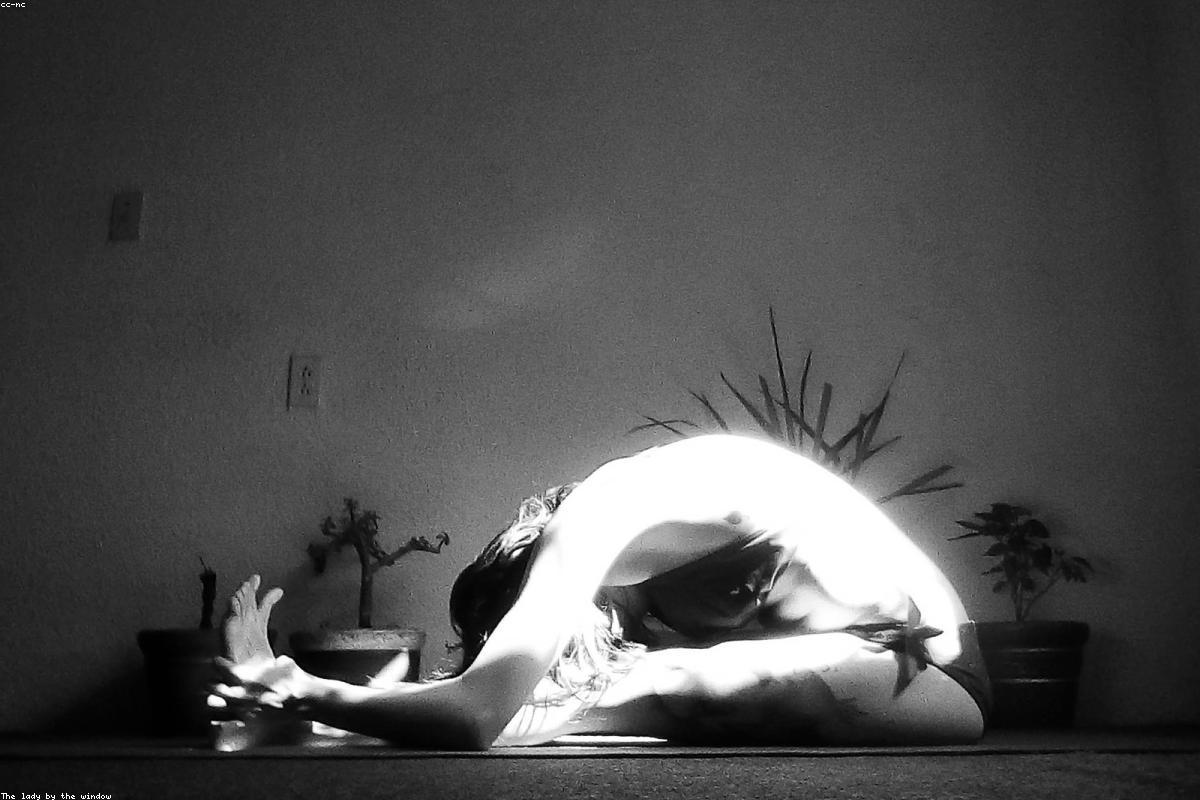
The Best Yoga Mat for Travel: Lightweight, Foldable, and Portable Options That Actually Work (2026)
I own twenty-three yoga mats. That’s not a brag. It’s a confession.
After chronic low back pain nearly ended my practice, I became obsessed with finding the perfect surface. I bought mats made of rubber, PVC, jute, cork, and something that felt suspiciously like a pool float. I spent over a thousand dollars on mats before I found the ones that worked for my body.
And then I had to figure out travel.
Travel mats are a different animal. They need to be light enough to carry through airports, thin enough to fold into a suitcase, and still functional enough to protect your joints on a hotel room floor. Most of them fail at at least one of these.
I’ve tested over thirty travel-specific mats in the last four years. I’ve unrolled them on marble floors in Airbnbs, on grass in parks, on tile in hotel bathrooms, and on the hardwood of a friend’s apartment where I accidentally slid into a wall during downward dog.
Here’s what I learned.
What Makes a Yoga Mat a Travel Mat
A travel yoga mat is a mat designed to be carried. That’s the simple definition. But the reality is more specific.
Most standard yoga mats weigh between 4 and 7 pounds. They’re 68 to 72 inches long and about 1/8 to 1/4 inch thick. They roll up into a cylinder that’s too big for most carry-on bags.
Travel mats cut that weight in half. They fold instead of roll. They fit inside suitcases, backpacks, or even large purses. Some are as thin as 1/16 of an inch.
The trade-off is always stability. Thinner mats offer less cushion. Lighter materials can slide on smooth floors. Foldable designs create creases that never quite flatten out.
I learned this the hard way. My first travel mat was a cheap PVC foldable that weighed nothing. It also offered nothing. My knees touched the floor through it. My downward dog turned into a slow slide toward the wall. I ended up using hotel towels as a makeshift pad.
That’s not a travel mat. That’s a picnic blanket with a yoga label.
Why the Right Travel Mat Matters for Your Practice
I didn’t think travel mats mattered much until I hurt myself.
I was in Chicago for a conference. My hotel room had thin carpet over concrete. I unrolled my cheap travel mat, started a gentle flow, and felt my left knee twist during a lunge. The mat had bunched up under my foot. I compensated. My back seized up.
I spent the next two days sitting through meetings with a heating pad strapped to my lower spine.
That’s when I understood: a travel mat isn’t just about convenience. It’s about safety. When you’re practicing on unfamiliar surfaces, your mat is the only thing between you and injury.
Hotel floors are hard. Park grass is uneven. Beach sand shifts. Your mat needs to handle all of these conditions while keeping your alignment intact.
For someone with chronic low back pain like me, the stakes are higher. A bad mat means bad posture. Bad posture means muscle compensation. Muscle compensation means pain that lingers for days.
The right travel mat lets you maintain your practice anywhere. It gives you the same stable foundation you have at home. It folds into your bag and doesn’t remind you it’s there until you need it.
I’ve practiced in airport lounges, on hiking trails, and in the corner of a friend’s wedding reception. Every time, the mat made the difference between a meaningful practice and a frustrating one.
How to Choose a Travel Yoga Mat Without Making My Mistakes
I made every mistake you can make. Let me save you the trouble.
Weight Is Not the Only Metric
The first thing people look for is weight. I get it. Nobody wants to carry a heavy mat through an airport.
But ultra-light mats often sacrifice grip and durability. I bought a mat that weighed 1.2 pounds. It felt like paper. It also slid like paper. I spent more time adjusting my mat than practicing.
A good travel mat weighs between 1.5 and 3 pounds. That’s light enough to carry without thinking about it. Heavy enough to stay put.
Thickness Affects Everything
Thin mats fold better. Thick mats feel better. There’s no way around this trade-off.
Mats under 1/8 inch fold into tiny packages. But they offer almost no cushion. If you have sensitive knees or a bad back, you’ll feel every imperfection in the floor.
Mats at 1/8 inch are the sweet spot for most people. They fold reasonably well and provide enough padding for most poses. I use a 1/8 inch mat for travel and it works for 90% of my practice.
For restorative poses or longer sessions, I prefer 1/4 inch. But those mats are harder to fold and heavier to carry.
Material Determines Grip and Durability
This is where I made my biggest mistakes.
PVC mats are cheap and grippy. They also smell like a chemical factory for weeks. I bought one that off-gassed so badly I had to leave it on my balcony for a month. By the time it was usable, I’d already bought something else.
Natural rubber mats have excellent grip. They’re also heavy and absorb water. I took one to a beach yoga session. It soaked up moisture like a sponge and weighed five pounds by the time I carried it back to my car.
TPE mats are a compromise. They’re lightweight, relatively grippy, and more eco-friendly than PVC. But they wear out faster. My TPE mat started peeling after six months of regular travel use.
Cork mats are interesting. They’re naturally antimicrobial and get grippier when wet. But they’re stiff and don’t fold well. I bought one that cracked along the fold line after three trips.
My personal favorite for travel is a rubber blend with a microfiber top layer. It’s lightweight, grippy, and folds without cracking. But it’s not cheap. You pay for the engineering.
Foldable vs. Rollable
This is a matter of preference, but I strongly prefer foldable for travel.
Rollable mats take up too much space in a suitcase. They create a cylinder that forces you to pack around it. Foldable mats lay flat in the bottom of a bag or fold into a square that fits in a carry-on.
The downside of foldable mats is the crease. Every foldable mat develops lines where it bends. Some mats handle this better than others. The best ones use materials that bounce back quickly. The worst ones develop permanent creases that you feel during practice.
I’ve learned to fold my mat in thirds instead of quarters. This creates wider folds that are less noticeable during practice. It takes practice to get the fold right, but it’s worth it.
Size Matters More Than You Think
Standard mats are 68 inches long. That works for most people under 5’8”. If you’re taller, you need a longer mat.
I’m 5’10”. A 68-inch mat means my head or feet hang off the end during savasana. I look for mats that are at least 72 inches long. Some travel mats come in 74-inch versions.
Width is less critical but still important. Narrow mats save weight and pack smaller. Wide mats give you room to spread out. I prefer 24 inches wide minimum.
Check the Grip Before You Buy
Grip is the most subjective aspect of a yoga mat. What works for one person might not work for another.
I have naturally sweaty hands. Many mats become slippery when wet. I learned to look for mats with textured surfaces or moisture-wicking materials.
If you practice hot yoga, you need a mat that grips when wet. If you practice gentle flow, grip matters less.
The only way to truly know is to try. But reading reviews from people with similar practice styles helps. I look for reviews that mention specific poses or conditions.
The Best Travel Yoga Mats I’ve Tested (2026)
I’ve tested over thirty travel mats. These are the ones I’d actually recommend. I’ve organized them by use case because no single mat works for everyone.
Best Overall: Manduka eKO SuperLite Travel Mat
This is the mat I reach for most often.
It weighs 1.5 pounds. It folds into a square that fits in my backpack. It’s made from natural tree rubber, so it has excellent grip without the chemical smell of PVC.
The surface is textured enough to prevent slipping but smooth enough for fast transitions. I’ve used it on tile, hardwood, carpet, and grass. It performs well on all of them.
The biggest downside is the price. At around $70, it’s not cheap. But it’s lasted me two years of regular travel with no signs of wear. The fold creases are barely noticeable after a few minutes of practice.
For chronic low back pain, this mat provides enough cushion for most poses. I add a folded towel under my knees for floor work, but that’s standard for me regardless of the mat.
Check out more lightweight travel mat options here
Best for Minimalists: Jade Travel Yoga Mat
Jade makes excellent mats. Their travel version is no exception.
It weighs 1.8 pounds. It’s made from natural rubber with an open-cell surface that grips even when wet. The texture is slightly tacky, which I love for standing poses.
The mat folds into a compact square. It comes with a carrying strap that doubles as a tie for the folded mat. I appreciate the simplicity.
The open-cell surface is a double-edged sword. It grips well, but it also absorbs sweat and dirt. I have to clean it more frequently than closed-cell mats. If you’re a heavy sweater, this mat requires maintenance.
It’s also thinner than I’d like for restorative practice. At 1/16 inch, I feel the floor through it. For active flows, it’s fine. For yin or restorative, I need extra padding.
Price is around $60. Good value for the quality.
Best for Packability: Liforme Travel Mat
Liforme is known for their alignment markers. Their travel mat keeps the markers in a thinner, lighter package.
It weighs 2.2 pounds. It folds into a compact square that fits in most carry-ons. The alignment markers are printed on the surface and don’t wear off.
The grip is exceptional. Liforme uses a proprietary material that stays grippy even when wet. I’ve used this mat in humid conditions with no slipping.
The thickness is 1/8 inch, which I find adequate for most practices. The fold creases are minimal and disappear within minutes of unrolling.
The price is steep at $120. But the durability justifies it. I’ve had mine for eighteen months with no signs of wear. The alignment markers help me maintain proper form, which is crucial for my back.
If you practice alignment-focused styles like Iyengar or Ashtanga, this mat is worth the investment.
Best Budget Option: Gaiam Foldable Travel Mat
Gaiam’s travel mat is the best value I’ve found.
It weighs 1.3 pounds. It folds into a small square that fits in a purse. It’s made from PVC, so it has good grip and durability.
The downsides are predictable. It has a strong chemical smell when new. I aired mine out for a week before using it. The grip is good but not great. On smooth surfaces, it slides slightly.
At 1/16 inch, it’s thin. I use it for short practices or when I’m packing extremely light. For longer sessions, I double it up with a hotel towel.
Price is around $25. For occasional travelers, this is a solid choice. For daily practitioners, I’d invest in something better.
Best for Hot Yoga: B Yoga B Mat Travel
B Mat’s travel version keeps the proprietary grip technology in a thinner package.
It weighs 2 pounds. It’s made from a polyurethane top layer over a natural rubber base. The top layer absorbs moisture, so it gets grippier as you sweat.
The thickness is 1/8 inch. The fold creases are noticeable at first but flatten out after a few minutes.
This mat is specifically designed for hot yoga. If you practice in heated rooms or humid conditions, this is the best travel option I’ve found.
Price is around $90. The durability is excellent. I’ve used mine for two years and the grip hasn’t diminished.
Best for Eco-Conscious: Yoloha Cork Travel Mat
Yoloha makes cork mats that fold instead of roll.
It weighs 2.5 pounds. The cork surface is naturally antimicrobial and gets grippier when wet. The rubber base prevents sliding.
The cork surface is comfortable but stiff. The fold creases are more noticeable than with rubber mats. I’ve had mine for a year and the creases haven’t fully flattened.
At 1/8 inch, the cushion is adequate. The cork provides natural insulation, so it feels warmer than rubber mats. That’s nice for cold floors.
Price is around $80. Cork is a renewable material, so this is a good choice if sustainability matters to you.
Best for Tall Practitioners: Hugger Mugger Travel Mat
Hugger Mugger makes a travel mat that’s 74 inches long.
It weighs 2.3 pounds. It’s made from a rubber blend that’s grippy without being heavy. The surface is smooth but not slippery.
The extra length makes a difference for me. I can fully extend in savasana without my feet hanging off. The width is standard at 24 inches.
The fold creases are moderate. They take a few minutes to flatten out. The mat rolls as well as folds, so you have options for packing.
Price is around $65. Good value for the extra length.
What I Learned From My Mistakes
I wish someone had told me these things before I started buying travel mats.
First, don’t buy the cheapest option. I did. I regretted it. A $15 mat from a discount store is not a travel yoga mat. It’s a piece of foam that happens to be yellow.
Second, test your mat at home before traveling with it. Unfold it. Practice on it. Make sure it works for your body. I once arrived at a retreat with a mat that was too slippery. I spent the entire weekend borrowing mats from other people.
Third, bring a backup for your knees. Even the best travel mats are thin. I carry a small washcloth or hand towel for kneeling poses. It takes no space in my bag and makes a huge difference.
Fourth, clean your mat after every trip. Travel mats get dirty fast. Hotel floors, airport terminals, and park grass all leave residue. A quick wipe with a mat cleaner keeps the grip working.
Fifth, consider your bag. A good travel mat is useless if you can’t carry it easily. I wrote a guide on yoga bags that might help. The right bag makes travel much easier.
Related Guides
Final Thoughts on Choosing Your Travel Mat
Your travel mat is a tool. It should serve your practice, not complicate it.
I’ve learned that the best travel mat is the one you actually bring with you. A perfect mat that stays home is useless. A good mat that goes everywhere is invaluable.
Start with your priorities. Do you need ultra-light weight? Maximum grip? Extra length? Eco-friendly materials? Pick the two or three things that matter most and find a mat that delivers on those.
Don’t compromise on safety. If a mat slides, it’s not worth the weight savings. If it’s too thin for your joints, it’s not worth the packability. Your body is more important than your suitcase space.
I’ve been practicing with my Manduka eKO SuperLite for two years now. It’s traveled to twelve countries. It’s been on beaches, in mountains, and in hotel rooms across three continents. It’s still going strong.
But I still carry a hand towel for my knees.
If you’re looking for a comprehensive overview of what makes a great yoga mat, check out my buying guide. It covers everything from materials to thickness to grip, with specific recommendations for different practice styles.
The right travel mat is out there. It might take a few tries to find it. But when you do, your practice will thank you.
Every mat we recommend has been personally tested by our team. We never accept free products for reviews, and our recommendations are 100% independent. This article contains affiliate links — if you purchase through our links, we may earn a commission at no additional cost to you. Learn more.