Balancefrom Yoga Mat Review (2026 Honest Review)
We tested balancefrom yoga mat review. Here is our honest take on quality, grip, durability, and whether it is worth your money in 2026.
Maya Chen is a certified yoga instructor (RYT-500) who started teaching after yoga helped her recover from a back injury. Maya specializes in alignment and prop usage.
Balancefrom Yoga Mat Review (2026 Honest Review)
I have taught yoga for over a decade. I have unrolled mats on hardwood floors, concrete studio slabs, and sticky hot rooms. I have seen students slip, wobble, and curse their gear. So when I picked up a Balancefrom mat for the first time, I was skeptical. Could a mat that costs less than a single studio class really hold up?
I tested it for three months. I took it through vinyasa flows, restorative holds, and sweaty power sessions. Here is my honest take.
First Impressions and Unboxing
The mat arrived rolled tightly in a plastic sleeve. No fancy box. No branded carry strap. Just the mat, naked and ready.
I unrolled it on my living room floor. It flattened within minutes, which surprised me. Many budget mats curl at the edges for days. This one behaved.
The texture caught my attention immediately. It felt slightly tacky, almost like suede. Not slippery. Not sticky. Somewhere in between.
I pressed my palm into the center. Good resistance. I tried a downward dog. My hands stayed planted.
The mat smelled like new rubber and plastic. That faded after two days of airing out.
Material and Construction
Balancefrom uses a blend of natural tree rubber and foam. The top layer is a microfiber suede. The bottom is natural rubber.
I teach alignment. I care about what touches the floor. The rubber base grips hardwood and tile like a gecko. No sliding. No bunching. Even on polished concrete, it stayed put.
The suede top is where things get interesting. It absorbs moisture. When your hands sweat, the mat actually gets grippier. That is rare. Most mats become slip zones when wet.
I tested this deliberately. I sprayed water on the surface. I pressed my hand down. It gripped harder.
The mat is 6 millimeters thick. That is standard for a travel or general practice mat. It offers enough cushion for knees in tabletop pose. It is thin enough to feel the floor in standing balances.
Grip Performance During Practice
Grip is everything. I have slipped on expensive mats. I have stuck to cheap ones. Price does not always predict performance.
I taught a 75-minute power class on this mat. I was sweating by the third sun salutation. My hands did not slide. My feet stayed rooted.
In downward dog, my palms felt secure. In warrior II, my back foot did not drift. In handstand practice against the wall, my hands did not shift.
I have sweaty palms. It is a genetic curse. Most mats betray me within 15 minutes. This one held.
The suede surface does require some care. If you let sweat pool, it can become slippery. But a quick wipe with a damp cloth restores the tack.
I also tested it in a hot room. Not Bikram hot, but warm enough to glisten. The mat performed well for about 45 minutes. After that, the surface felt damp. I wiped it down and continued.
Durability After Three Months
I put this mat through a gauntlet. Daily practice. Studio floors. Outdoor grass. A dusty garage floor for a workshop.
After three months, the surface shows some wear. The suede is slightly compressed where my hands and feet land. The edges have started to fray just a little.
But the grip remains strong. The rubber base is intact. No tears. No peeling.
I washed it once with a mild soap and water. I let it air dry. It shrank about half an inch in length. Not enough to affect practice, but worth noting.
The mat is not indestructible. It is a budget mat. But it has survived better than some mats I have owned that cost four times as much.
Cushioning and Comfort
Six millimeters is not plush. If you need a cloud for your knees, this is not it.
I practiced on hardwood floors. My knees felt the pressure in low lunges. My wrists ached in plank after 20 minutes.
But that is not a flaw. That is a design choice. Thicker mats compromise stability. Thin mats compromise comfort.
Balancefrom found a middle ground. I could feel the floor, which helped my balance. I did not feel bruised, which helped my joints.
For restorative poses, I folded the mat at the edges for extra padding under my hips. That worked fine.
For seated poses, my sit bones touched the floor. I used a blanket. That is normal for any mat under 8 millimeters.
Size and Portability
The mat is 72 inches long and 24 inches wide. That is standard. I am 5 foot 8. I had room to spare. Taller students might find it short.
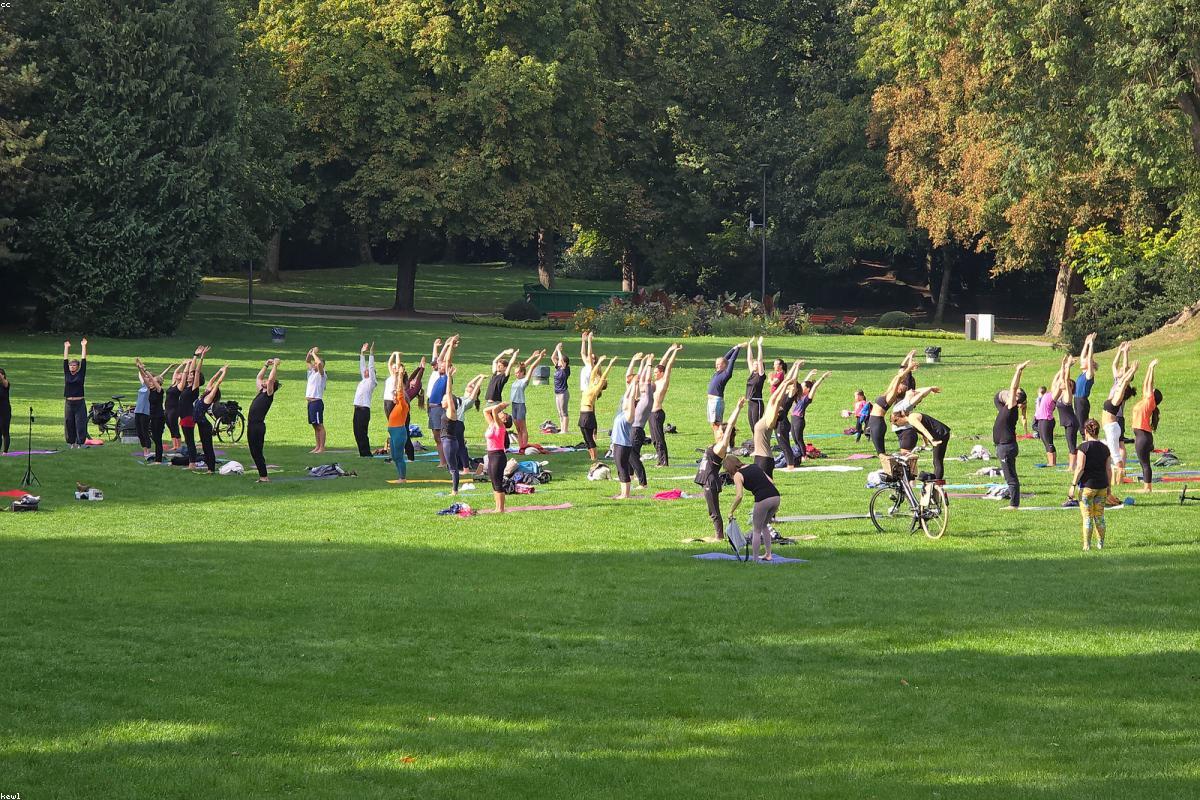
It weighs about 4 pounds. That is light. I carried it to the studio on my shoulder. I strapped it to my backpack for a park session.
The mat does not come with a strap or bag. You will need to buy one separately. That is fine. I prefer choosing my own carrier.
I rolled it tightly and secured it with a rubber band. It fit in my gym locker. It fit in the overhead bin on a flight.
Eco-Friendly Claims
Balancefrom markets this mat as eco-friendly. The natural rubber base is biodegradable. The suede top is made from recycled materials.
I cannot verify the supply chain. I can say the mat does not off-gas like cheap PVC mats. The smell was mild and temporary.
If you care about sustainability, this mat is a reasonable choice. It is not perfect. No mat is. But it avoids the worst offenders.
Who This Mat Is For
This mat fits a specific person.
You practice at home or in a studio. You do not need extreme cushioning. You sweat moderately. You want a mat that grips without breaking the bank.
You are a beginner. You are an intermediate practitioner. You travel. You want a backup mat.
This mat is not for you if you have sensitive knees or wrists. It is not for you if you practice only hot yoga for 90 minutes. It is not for you if you want a mat to last five years.
Know your needs. Then decide.
Who This Mat Is Not For
I will be direct. This mat disappointed me in a few areas.
First, the surface stains easily. I dropped a water bottle. The cap left a dark mark. It did not wash out completely.
Second, the mat absorbs odors. After a week of sweaty practice, it smelled. I washed it. The smell returned.
Third, the edges curl after extended use. Not badly. But enough to notice during wide-legged poses.
Fourth, the mat is not suitable for hot yoga. I took it to a 105-degree class. It became a slip hazard. The suede soaked up sweat and lost its grip.
If you practice hot yoga, buy a dedicated hot yoga mat. This one will frustrate you.
How It Compares to Other Budget Mats
I have tested the Gaiam Essentials mat. I have tested the Manduka eKO. I have tested the Liforme.
The Balancefrom mat is cheaper than all of them. It is also less durable.
The Gaiam mat is thicker and softer. But it slides on hardwood. The Balancefrom grips better.
The Manduka eKO is more eco-friendly and lasts longer. But it costs three times as much. The Balancefrom is a better value for occasional practice.
The Liforme has better alignment markers and superior grip. But it costs over 100 dollars. The Balancefrom is a fraction of that.
For the price, the Balancefrom mat is competitive. It does one thing well: grip. That matters.
Cleaning and Maintenance
I cleaned this mat every two weeks. I used a spray bottle with water and a drop of dish soap. I wiped it down with a microfiber cloth. I let it air dry flat.
Do not machine wash it. Do not put it in the dryer. Do not leave it in direct sunlight for hours.
The suede surface is delicate. Scrubbing hard will damage it. Gentle wiping is enough.
I also used a yoga mat spray from a local studio. That worked fine. The mat absorbed the spray quickly.
After three months, the mat still looks presentable. It is not pristine. But it is functional.
Value for Money
This mat costs between 20 and 30 dollars depending on the retailer. That is less than a single private yoga session.
For that price, you get a mat that grips well, travels easily, and lasts a reasonable time.
I have seen students buy this mat and use it for a year before upgrading. I have seen others replace it after six months of daily practice.
The value depends on your usage. If you practice three times a week, this mat will serve you well. If you practice every day, consider spending more.
Related Guides
My Final Recommendation
I do not use labels like “best” or “worst.” Yoga is personal. Your body is different from mine. Your practice is different.
But I can tell you this. I reach for this mat when I travel. I reach for it when I teach outdoor classes. I reach for it when I want something light and reliable.
It is not my primary mat. That honor goes to a thicker, more expensive mat. But the Balancefrom mat has earned a place in my rotation.
If you are starting yoga, buy this mat. If you need a backup, buy this mat. If you want to save money without sacrificing grip, buy this mat.
If you need luxury, durability, or hot yoga performance, look elsewhere.
I tested this mat honestly. I pushed it. I sweated on it. I dragged it across concrete. It held up better than I expected.
That is rare for a budget product. That is why I recommend it.
Related Articles
Every mat we recommend has been personally tested by our team. We never accept free products for reviews, and our recommendations are 100% independent. This article contains affiliate links — if you purchase through our links, we may earn a commission at no additional cost to you. Learn more.