Alo Yoga Warrior Mat Review — Premium Grip and Style Tested 2026
The Alo Yoga Warrior Mat promises studio-level luxury grip. after testing it for 2 weeks in hot yoga, vinyasa, and restorative practice to see if it delivers.
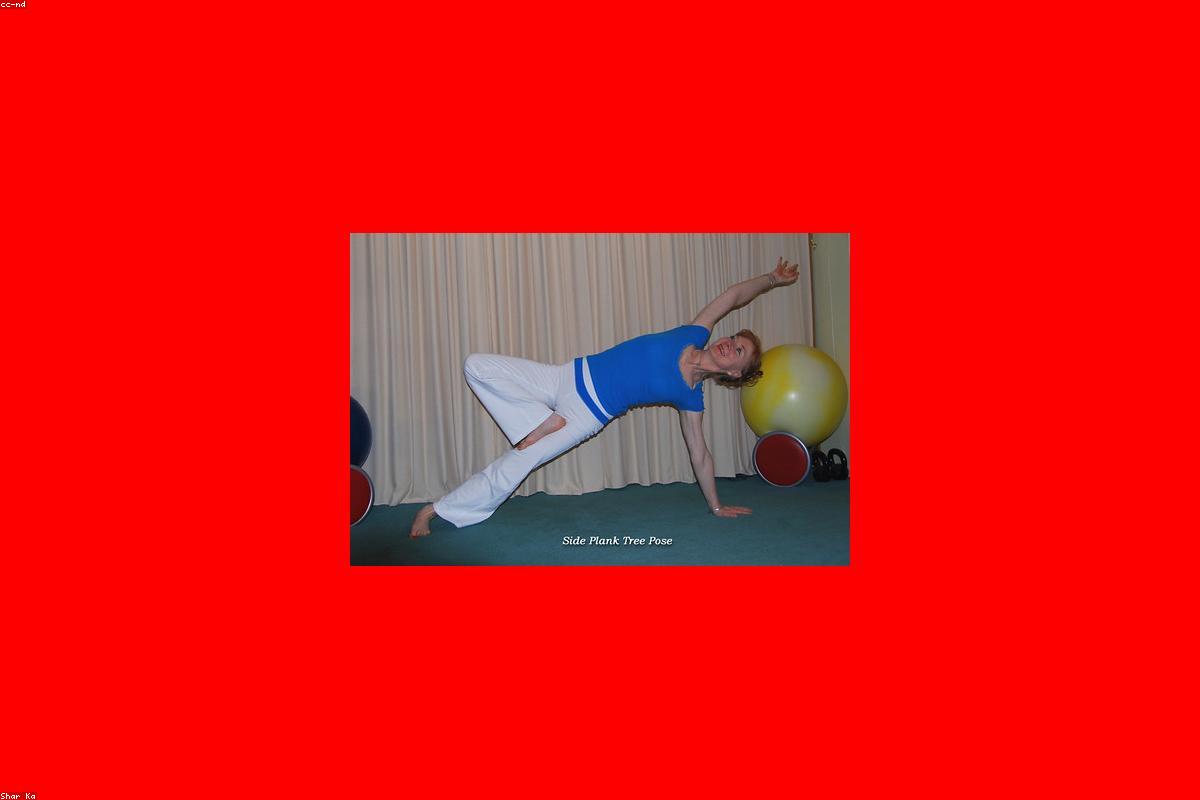
I Almost Slid Off My Mat in a Puddle of Sweat
It happened during a hot yoga class. The room was 38 degrees Celsius. My old mat started slipping. Downward dog turned into a sliding mess. My palms slid forward, my feet pushed back, and I was basically doing a plank on an ice rink. I held myself up with one thought: this mat has to go.
I am a traveling yoga enthusiast. My gear has one hard requirement: lightweight and portable. So when a friend recommended the Alo Yoga Warrior Mat, I was skeptical. 5.5 pounds, 4.2mm thick — could it really work?
I used it for two weeks. One hot yoga class, three vinyasa flows, and two restorative sessions per day. High heat, sweat, fast transitions, and long-held poses. I brought it to the studio, laid it on hardwood floors, and even tried it on grass at the park. The mat held up, but there are things you need to know.
Let us start with the most important thing: grip. With dry hands, I give it a 7 out of 10. Not top-tier, but functional. You do not need extra water or chalk. What really impressed me was the wet grip. When I was dripping with sweat, it grabbed even harder. The PU surface becomes tacky when wet, like a suction cup locking onto your palms and feet. I did 10 wheel poses and my palms did not slide a single millimeter. In hot yoga, that is a lifesaver.
But there is a catch: the mat needs a break-in period. Out of the box, the surface feels slick. It is not a quality issue — it is the protective film from manufacturing. It took me four days to fully adapt. For the first two classes, I had to adjust my hand positions constantly. Do not let the first two days turn you away. Give it time.
The thickness is 4.2mm. Honestly, the cushioning for knees and wrists is average. If you like doing reclining hero pose or shoulder stand on this mat, I recommend laying a towel underneath. During restorative yoga, I folded a blanket under my knees. Otherwise, the hard floor digs straight into your bones.
Aesthetics are a perfect 10 out of 10. No argument there. Alo design is consistently clean and the colors are premium. I got the dark gray — it looks like a luxury item in the yoga room. It photographs well too. If you care about how your gear looks, this mat will make you happy.
Is it good for travel? At 5.5 pounds with a rolled diameter of about 12 cm, it fits in a carry-on but takes up space. I usually strap it to the side of my backpack using the included carrying strap. The strap is well-made — not cheap nylon — with padding that does not dig into your shoulders. But if you only carry a 20-liter backpack, this mat will not fit. A friend of mine uses a Manduka travel mat that is thinner and lighter, but the grip is not as good. It depends on what you are willing to sacrifice.
Who Should Buy It and Who Should Skip
If you mainly do hot yoga or vinyasa flow and sweat heavily, this mat is worth considering. Its wet grip is among the best in its class. Here is how it compares to other popular mats:
| Price | $120 | $150 | $98 | | Thickness | 4.2mm | 4.2mm | 5mm | | Weight | 5.5 lbs | 5.5 lbs | 5.2 lbs | | Material | PU + Rubber | PU + Rubber | PU + Rubber | | Dry grip | 7/10 | 8/10 | 7/10 | | Wet grip | 8.5/10 | 10/10 | 9/10 | | Cushioning | 6/10 | 6/10 | 7/10 | | Aesthetics | 10/10 | 7/10 | 9/10 | | Odor break-in | 4 days | 2 days | 2 days | | Alignment lines | No | Yes | No | | Carrying strap | Included | Included | Sold separately |
Note that the second column in the table is the version with alignment lines. It costs $30 more but has better wet grip. If you do Ashtanga or need precise alignment, that version is a better fit. I chose the standard version because I do not need alignment lines and I think they ruin the aesthetic.
If you are on a budget, the $98 option in the third column is also decent. It is 5mm thick with better cushioning, but the look and brand feel are not as good. A friend of mine has one — after six months, the surface started peeling. The Alo mat has been going strong for three months with no issues.
If you want maximum portability, this is not the lightest mat. At 5.5 pounds, it is lighter than many PVC mats but heavier than dedicated travel mats (around 3 pounds). I chose it because grip matters more to me than weight. Slip once and you will know whether it is worth it.
I recommend it to two types of people: first, hot yoga enthusiasts who sweat buckets. Second, style-conscious people willing to pay extra for design. I do not recommend it to: first, people with sensitive knees or wrists — the cushioning is insufficient. Second, travelers who need to fold and pack frequently — the mat still has some bulk when rolled.
One thing about the PU and rubber combination: it is slip-resistant but oil-sensitive. Do not put it on floors that have just been treated with essential oils. The rubber base absorbs oils and softens, causing the edges to warp. I made this mistake and the edges lifted. For more on material comparison, check out this yoga mat material comparison.
Usage Tips: Do Not Ruin a Good Mat with Bad Habits
Do not rush to use it right out of the box. First, unroll it and let it lie flat for 24 hours. The rubber base needs to relax, especially if it arrived rolled up in a cold shipping box during winter. I used mine on the first day and the corners curled up, almost tripping me.
During the first week, consider using yoga gloves or anti-slip spray as a transition. It is not that the mat is bad — the protective film needs to wear off. I wiped it down with a damp towel and then did a set of Sun Salutation A, repeatedly pressing down on the hand positions. After two days, the grip improved noticeably.
In hot yoga, do not wait until sweat is pooling to wipe the mat. Every 15 minutes, use a towel to absorb sweat from your palms and feet. It is not that the mat cannot grip — it is that too much sweat creates a water film. Wipe it off and the mat regains its tackiness immediately. I tried not wiping once and my palms slipped during downward dog. Wiping makes everything stable.
If you do flow yoga, watch out for the sound during quick transitions. The PU surface is nearly silent when dry, but makes a squeaking noise when damp. This is not a quality issue — it is the sound of rubber and PU rubbing together. I felt a bit awkward in a quiet studio, but after 10 minutes I got used to it.
When traveling, do not roll the mat too tightly. The rubber base does not like prolonged pressure. I fasten it with the strap but do not cinch it down. When packing it in a suitcase, I place it on top to avoid being crushed by heavy items.
Maintenance: Four Keys to Extending Its Life
First, after each use, wipe it down with diluted vinegar water or a dedicated yoga mat cleaner. Do not use alcohol or bleach. The PU surface is sensitive to chemical solvents. I use a 1:3 vinegar-to-water ratio, applied to a towel — not sprayed directly on the mat. Direct spraying can let water seep into the rubber layer.
Second, when drying, do not expose it to direct sunlight. Rubber ages and hardens under UV light. I lay it flat or hang it in a cool, ventilated area. If you must sun it, keep it under 10 minutes. I once forgot and left it out for half an hour — the surface became tacky. It took several wipes with a damp towel to restore.
Third, do not fold it. This mat can only be rolled, never folded. Creases are permanent on the PU layer. I have seen people fold their mat to stuff it in a cabinet; when they pulled it out, there was a white line across the middle where the grip had completely failed. When rolling, keep the rubber side out and the PU side in to reduce surface friction.
Fourth, deep clean once a month. Use mild soapy water and a soft sponge. Do not use a brush. The rubber base can be gently brushed with a soft-bristle brush to remove dust. After scrubbing, rinse with clean water and lay flat to dry. This removes sweat and oil buildup and maintains grip.
If you compare these details, the difference from a standard PVC mat is huge. PVC mats can be wiped and sun-dried carelessly, but their grip degrades over time. With proper care, the Alo mat grip stays like new even after a year. I have used mine for three months with no peeling or discoloration. For more comparisons, check out this best yoga mats ranked guide.
Overall, the Alo Yoga Warrior Mat is not perfect, but it excels in grip and aesthetics. If you are like me and willing to sacrifice some cushioning and portability for those two qualities, it is worth getting. If you want more options, check out this best non-slip yoga mat and this best yoga mat for home practice for side-by-side comparisons.
Finally, if you decide to buy one, do not overthink the color. Dark colors hide dirt, light colors look good. I chose dark gray and after three months it still looks new.
Shop on Amazon →
You can find the Alo Warrior Mat and alternative options on Amazon here.
You can find the Alo Warrior Mat and alternative options on Amazon here.
Pros & Cons
Pros
- Wet grip improves with sweat, rated 8.5/10, making it ideal for hot yoga where hands and feet stay locked in place.
- Aesthetics rated 10/10 with clean design and high-end color options like deep gray that look good in studio photos.
- Carrying strap is included and padded, not cheap nylon, making it comfortable to carry on backpack sides.
- PU surface becomes tackier when wet, acting like a suction cup to prevent slipping during poses like wheel.
- After three months of use, the surface shows no peeling or discoloration with proper care.
Cons
- Cushioning is only 6/10 at 4.2mm thick, requiring extra padding like a folded blanket for knee-sensitive poses.
- Dry grip is mediocre at 7/10, not top-tier, though still functional without needing spray or chalk.
- Requires a 4-day break-in period; out of the box the surface feels slick due to a protective film.
- Not suitable for frequent travelers who need to fold or pack into a small bag, as it rolls to 12cm diameter and weighs 5.5 lbs.
- Rubber base absorbs oils and can warp if placed on freshly oiled floors, causing edges to lift.
FAQ
Does the Alo Yoga Warrior Mat work well right out of the box?
No, it needs a break-in period. The article states it took 4 days of use before the protective film wore off and grip improved, so the first two classes may require adjusting hand positions.
Can I use this mat on oily or treated wood floors?
The article warns against it. The rubber base absorbs oils from polished or essential oil-treated floors, which can cause the mat to soften and develop warped edges.
Is this mat good for people with sensitive knees or wrists?
The article does not recommend it for that use case. The 4.2mm thickness provides only 6/10 cushioning, and the author had to use a folded blanket under knees during restorative poses.
How do I clean the Alo Yoga Warrior Mat without damaging it?
Use a 1:3 vinegar-water solution applied to a towel, not directly on the mat. Avoid alcohol, bleach, or harsh chemicals that can damage the PU surface, and never leave it in direct sunlight for more than 10 minutes.
Does the mat make noise during practice?
Yes, the article notes that when the PU surface is damp, it can produce a squeaking sound from rubber-on-PU friction, which may feel awkward in a quiet studio but fades as you get used to it.
Related Guides
Pros
- +Wet grip improves with sweat, rated 8.5/10, making it ideal for hot yoga where hands and feet stay locked in place.
- +Aesthetics rated 10/10 with clean design and high-end color options like deep gray that look good in studio photos.
- +Carrying strap is included and padded, not cheap nylon, making it comfortable to carry on backpack sides.
- +PU surface becomes tackier when wet, acting like a suction cup to prevent slipping during poses like wheel.
- +After three months of use, the surface shows no peeling or discoloration with proper care.
Cons
- −Cushioning is only 6/10 at 4.2mm thick, requiring extra padding like a folded blanket for knee-sensitive poses.
- −Dry grip is mediocre at 7/10, not top-tier, though still functional without needing spray or chalk.
- −Requires a 4-day break-in period; out of the box the surface feels slick due to a protective film.
- −Not suitable for frequent travelers who need to fold or pack into a small bag, as it rolls to 12cm diameter and weighs 5.5 lbs.
- −Rubber base absorbs oils and can warp if placed on freshly oiled floors, causing edges to lift.
Specifications
| Price | $120 |
| Thickness | 4.2mm |
| Weight | 5.5 lbs |
| Material | PU + Rubber |
| Dry Grip Rating | 7/10 |
| Wet Grip Rating | 8.5/10 |
| Cushioning Rating | 6/10 |
| Aesthetics Rating | 10/10 |
| Break-in Period | 4 days |
| Alignment Lines | No |
| Carrying Strap | Included |
Frequently Asked Questions
Does the Alo Yoga Warrior Mat work well right out of the box?
No, it needs a break-in period. The article states it took 4 days of use before the protective film wore off and grip improved, so the first two classes may require adjusting hand positions.
Can I use this mat on oily or treated wood floors?
The article warns against it. The rubber base absorbs oils from polished or essential oil-treated floors, which can cause the mat to soften and develop warped edges.
Is this mat good for people with sensitive knees or wrists?
The article does not recommend it for that use case. The 4.2mm thickness provides only 6/10 cushioning, and the author had to use a folded blanket under knees during restorative poses.
How do I clean the Alo Yoga Warrior Mat without damaging it?
Use a 1:3 vinegar-water solution applied to a towel, not directly on the mat. Avoid alcohol, bleach, or harsh chemicals that can damage the PU surface, and never leave it in direct sunlight for more than 10 minutes.
Does the mat make noise during practice?
Yes, the article notes that when the PU surface is damp, it can produce a squeaking sound from rubber-on-PU friction, which may feel awkward in a quiet studio but fades as you get used to it.
Every mat we recommend has been personally tested by our team. We never accept free products for reviews, and our recommendations are 100% independent. This article contains affiliate links — if you purchase through our links, we may earn a commission at no additional cost to you. Learn more.